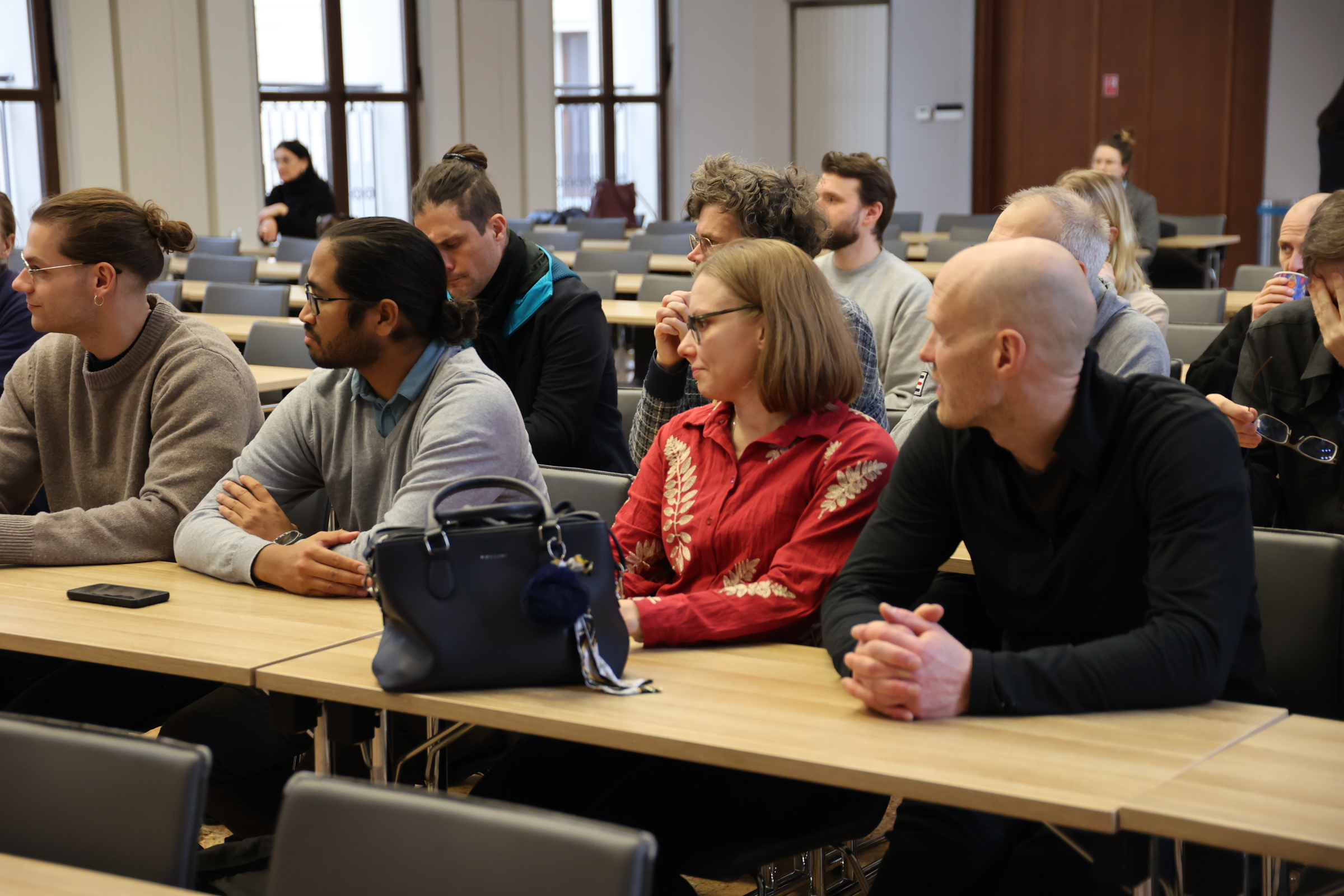
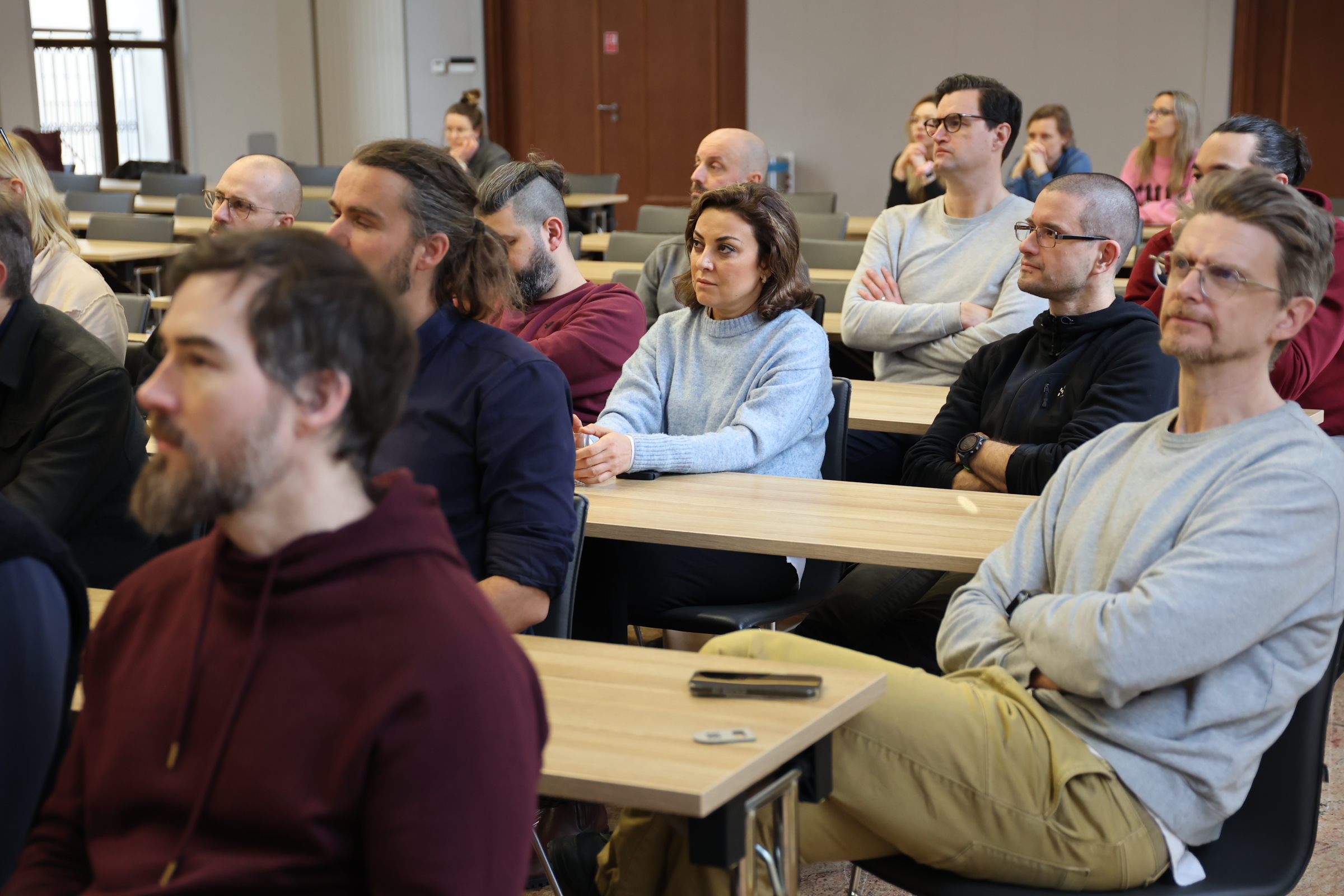
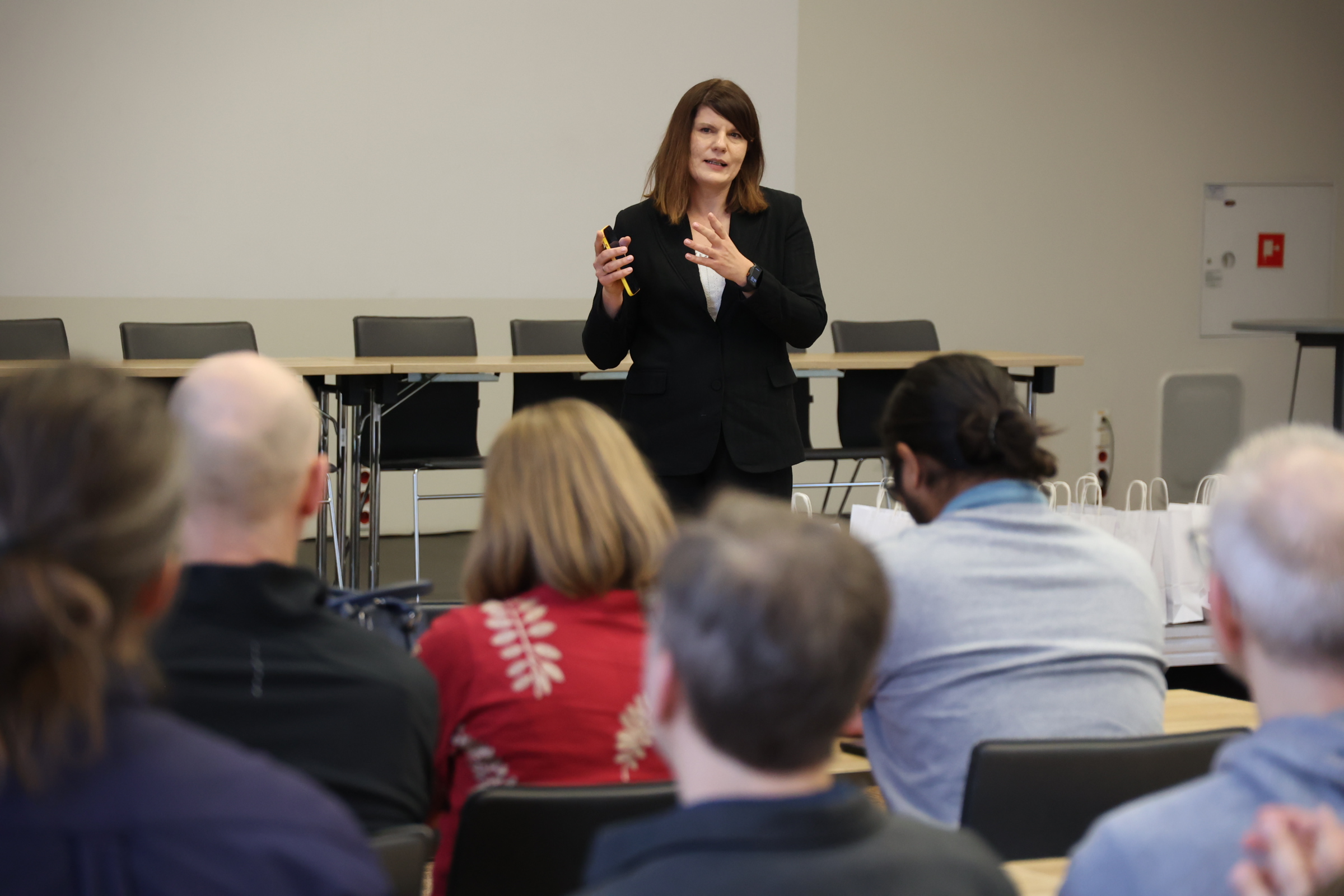
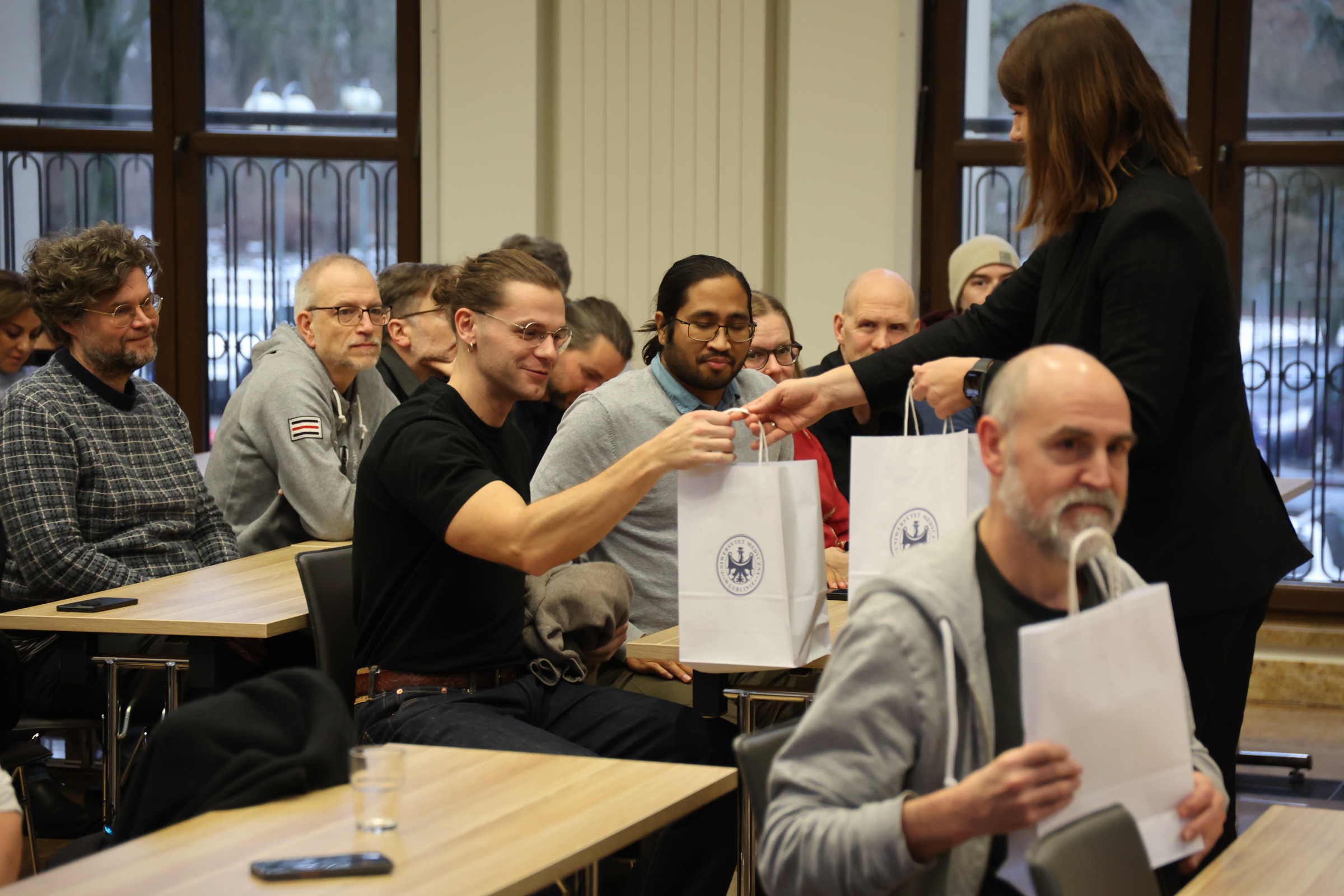
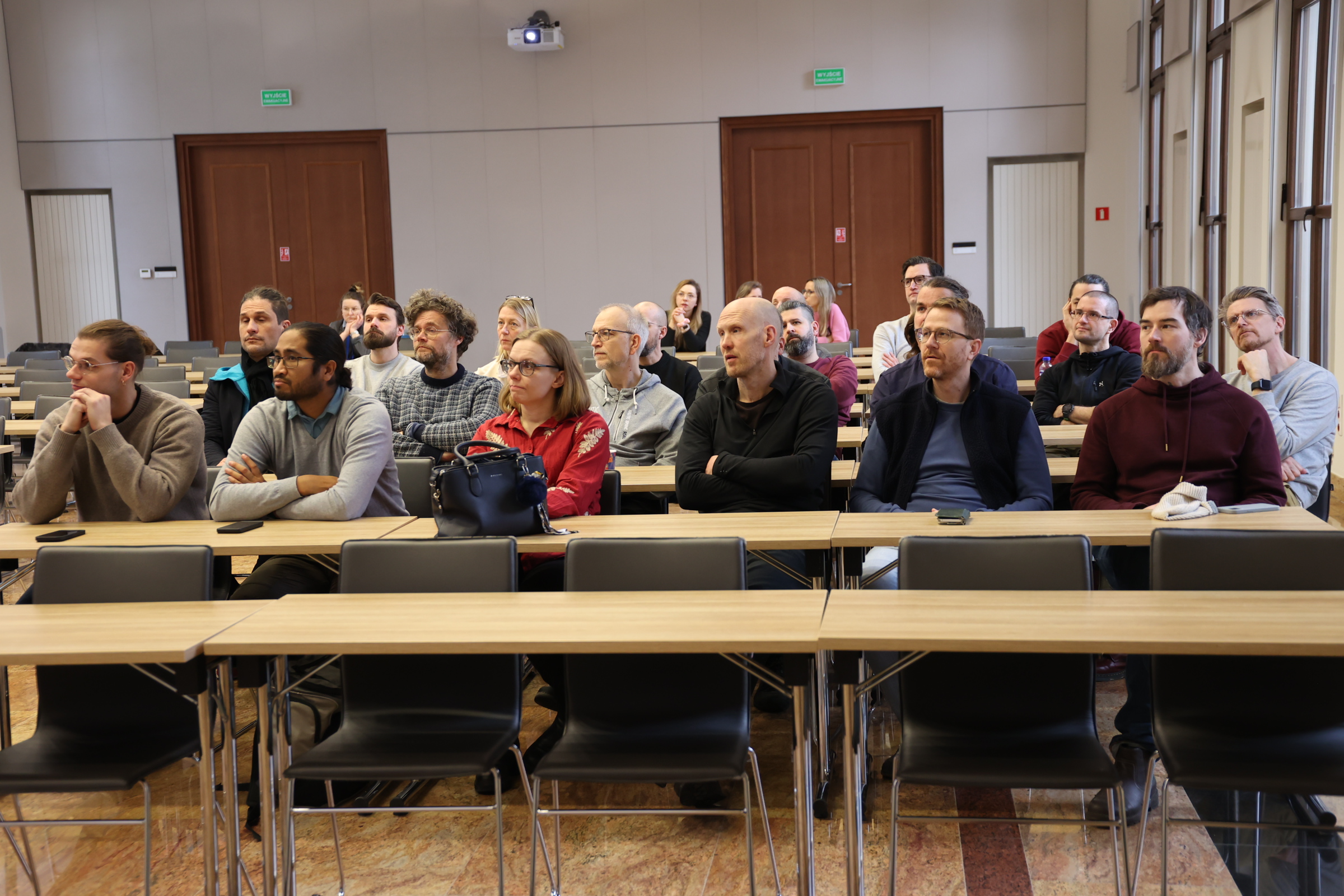
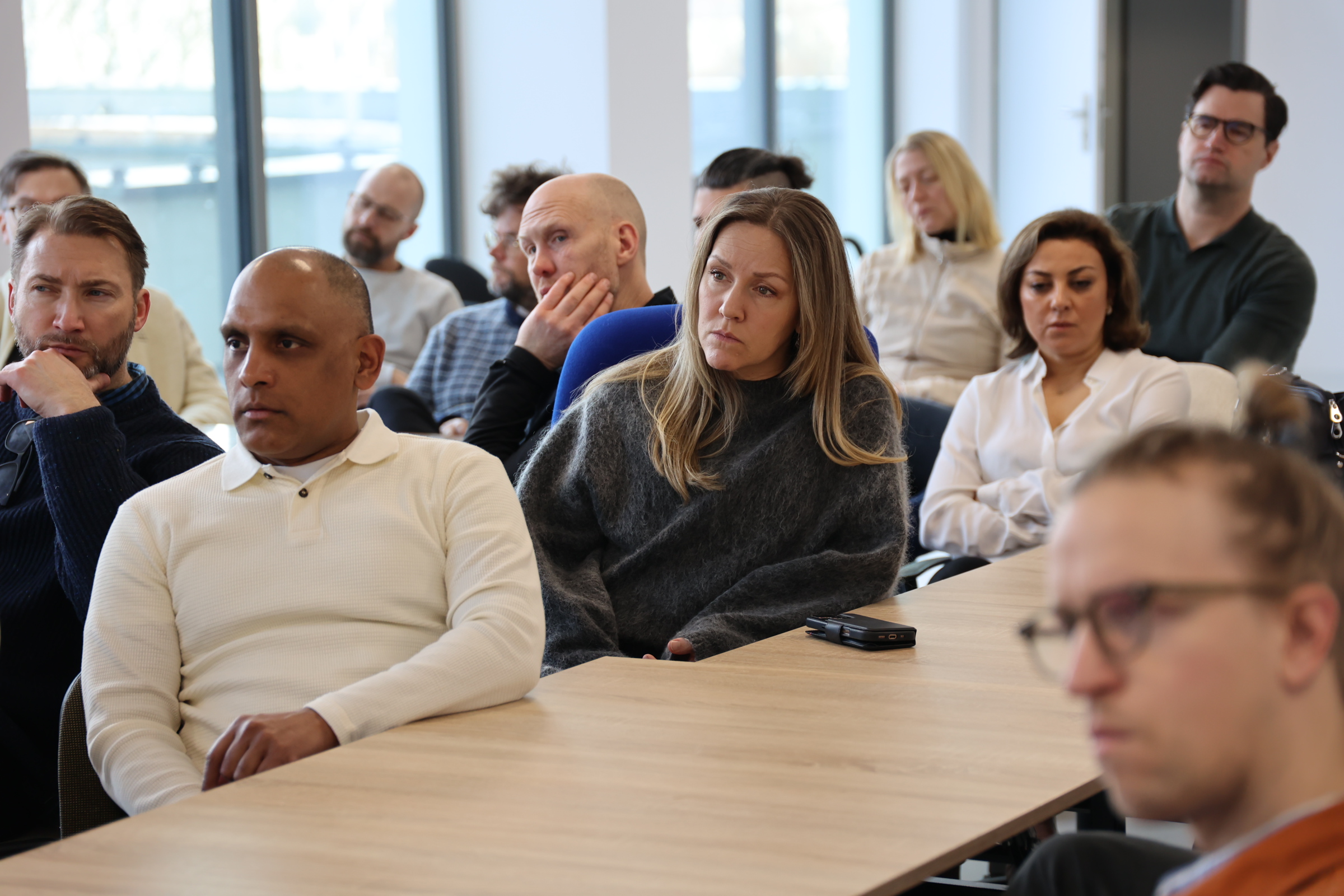
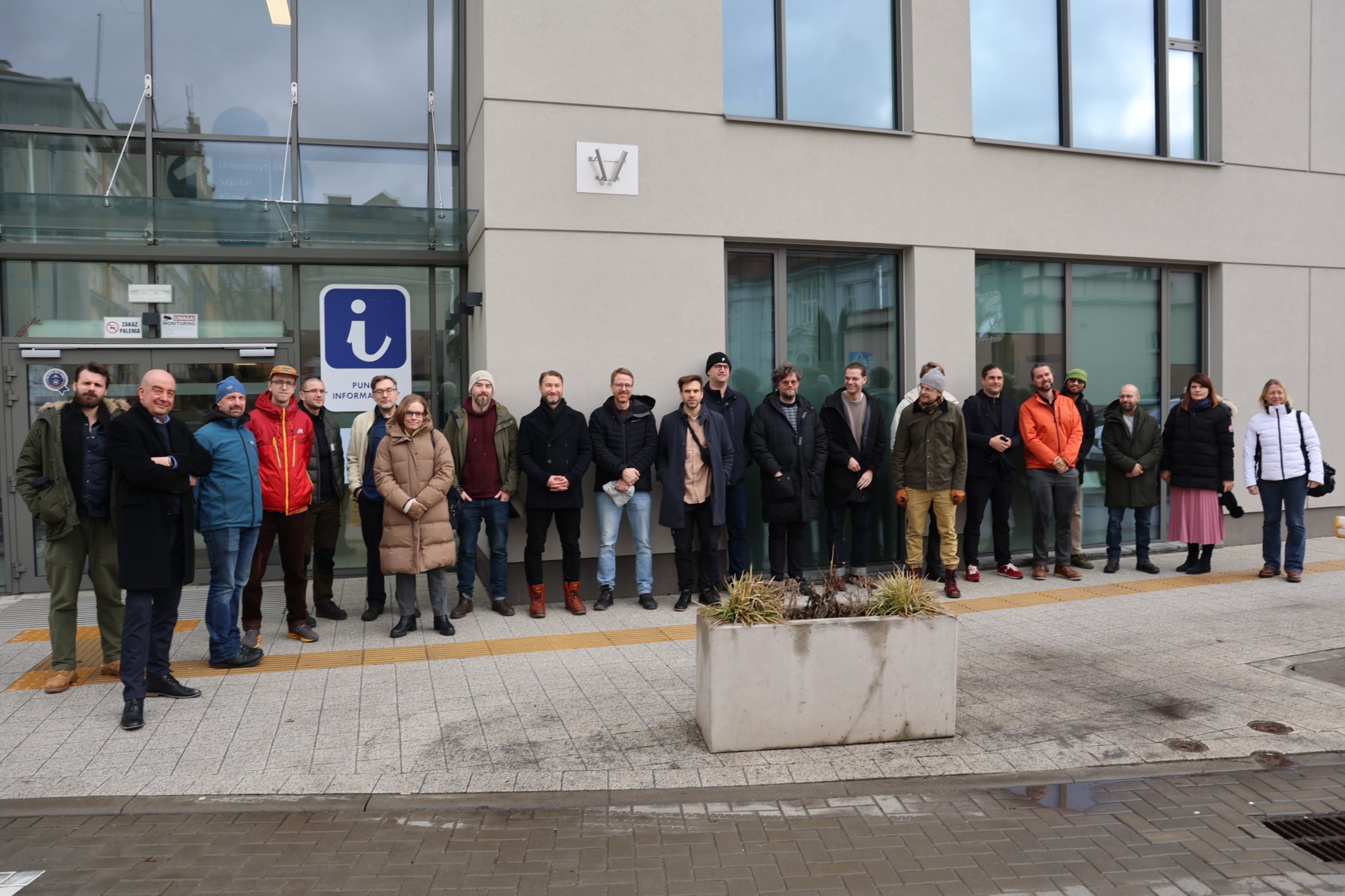
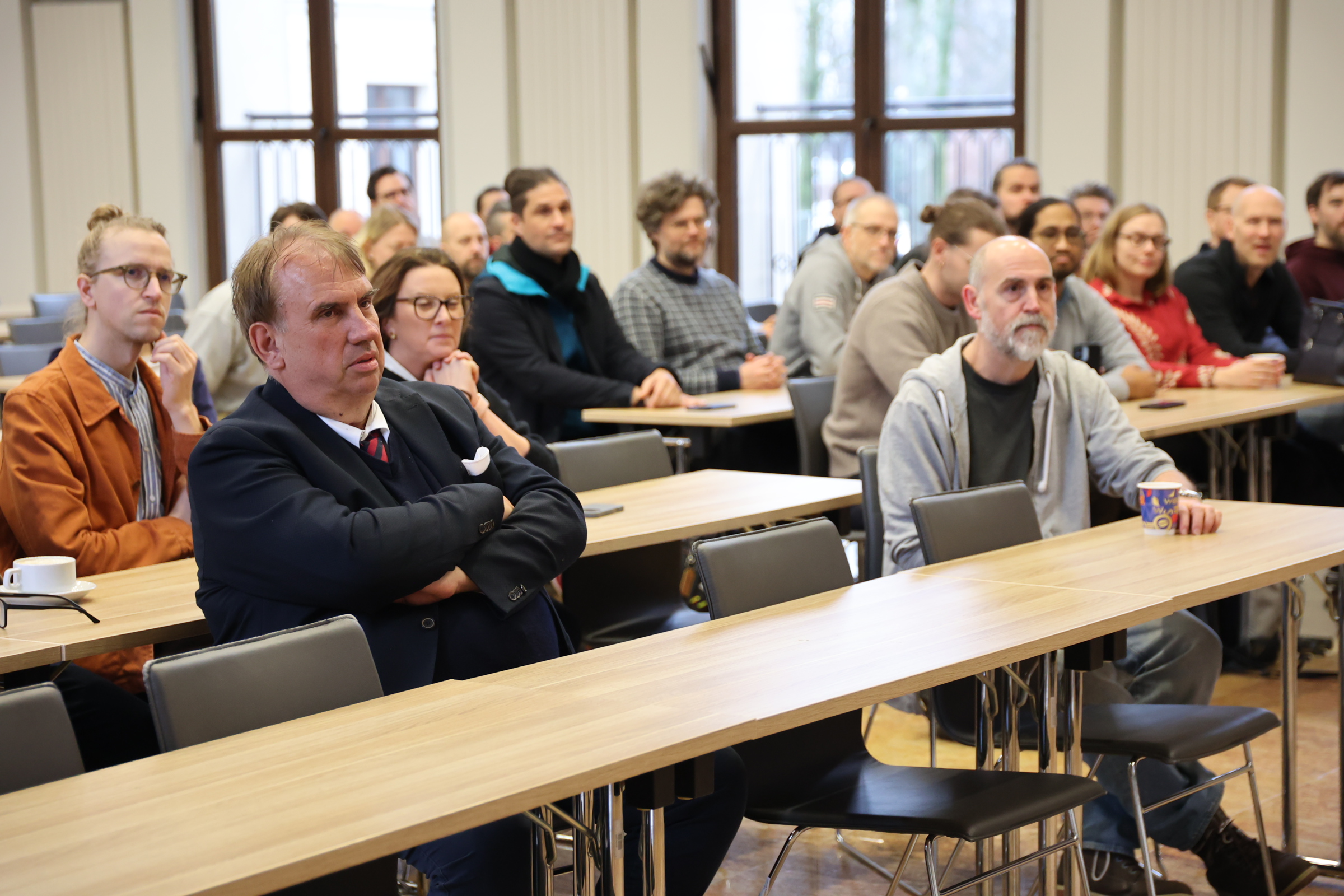
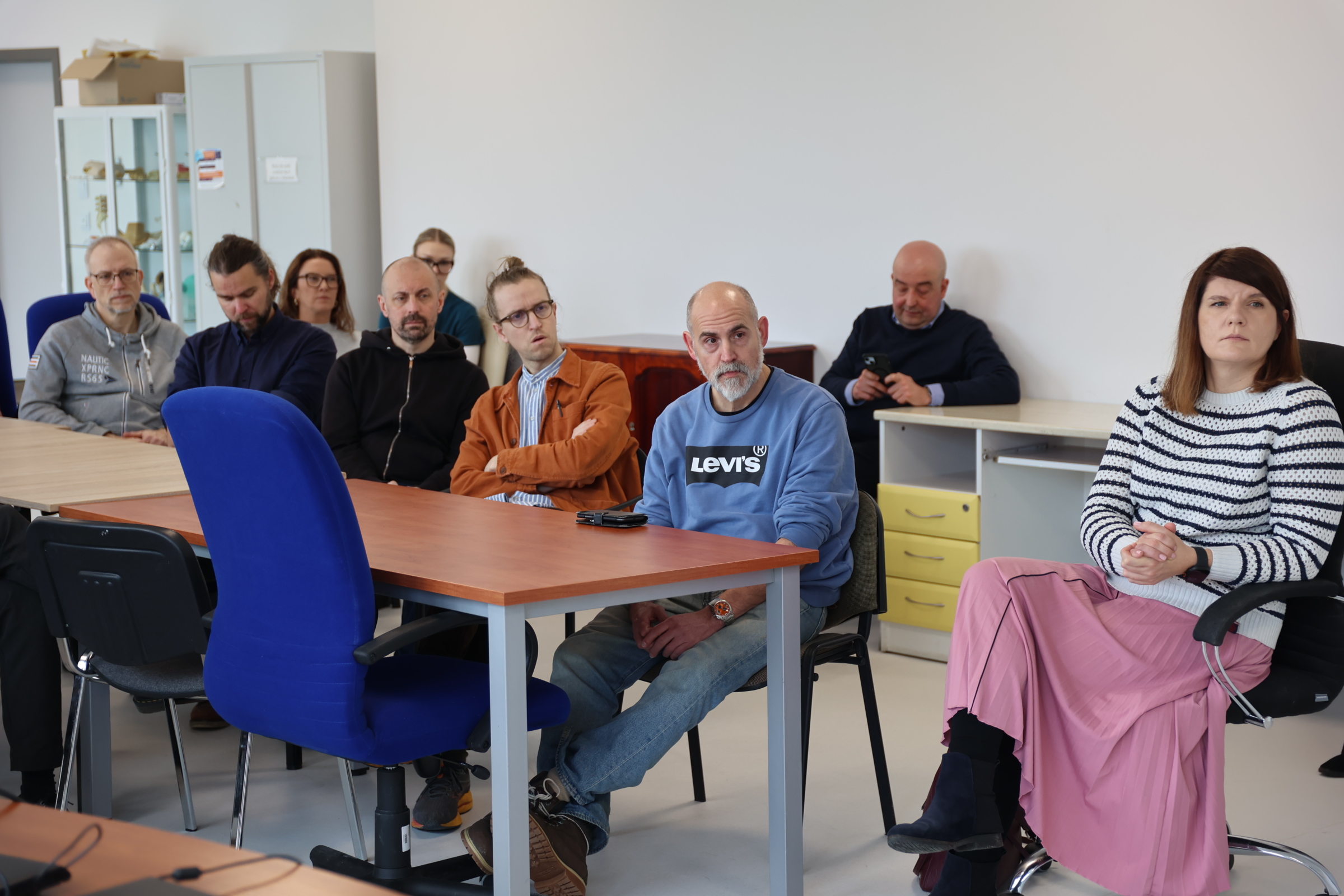
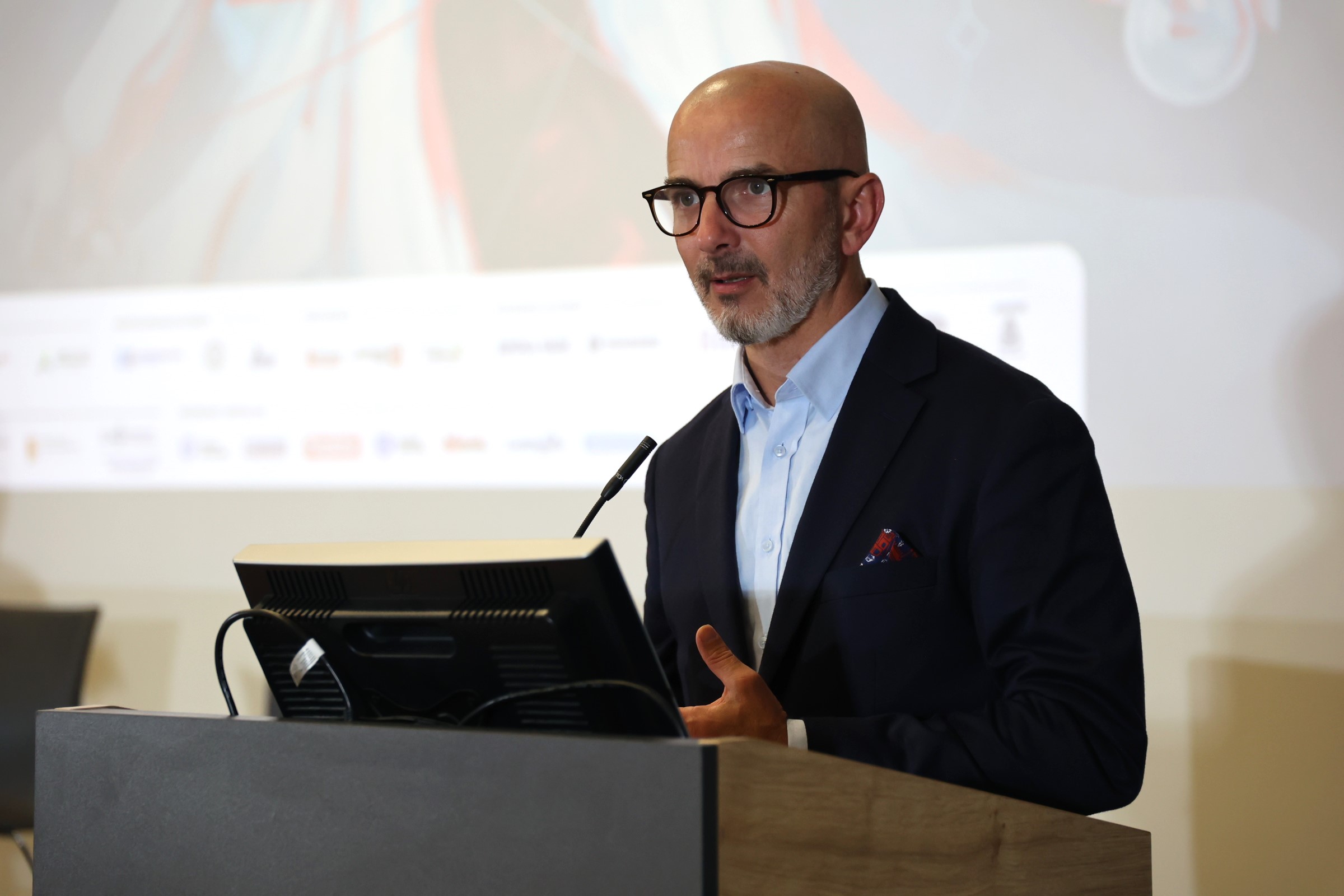
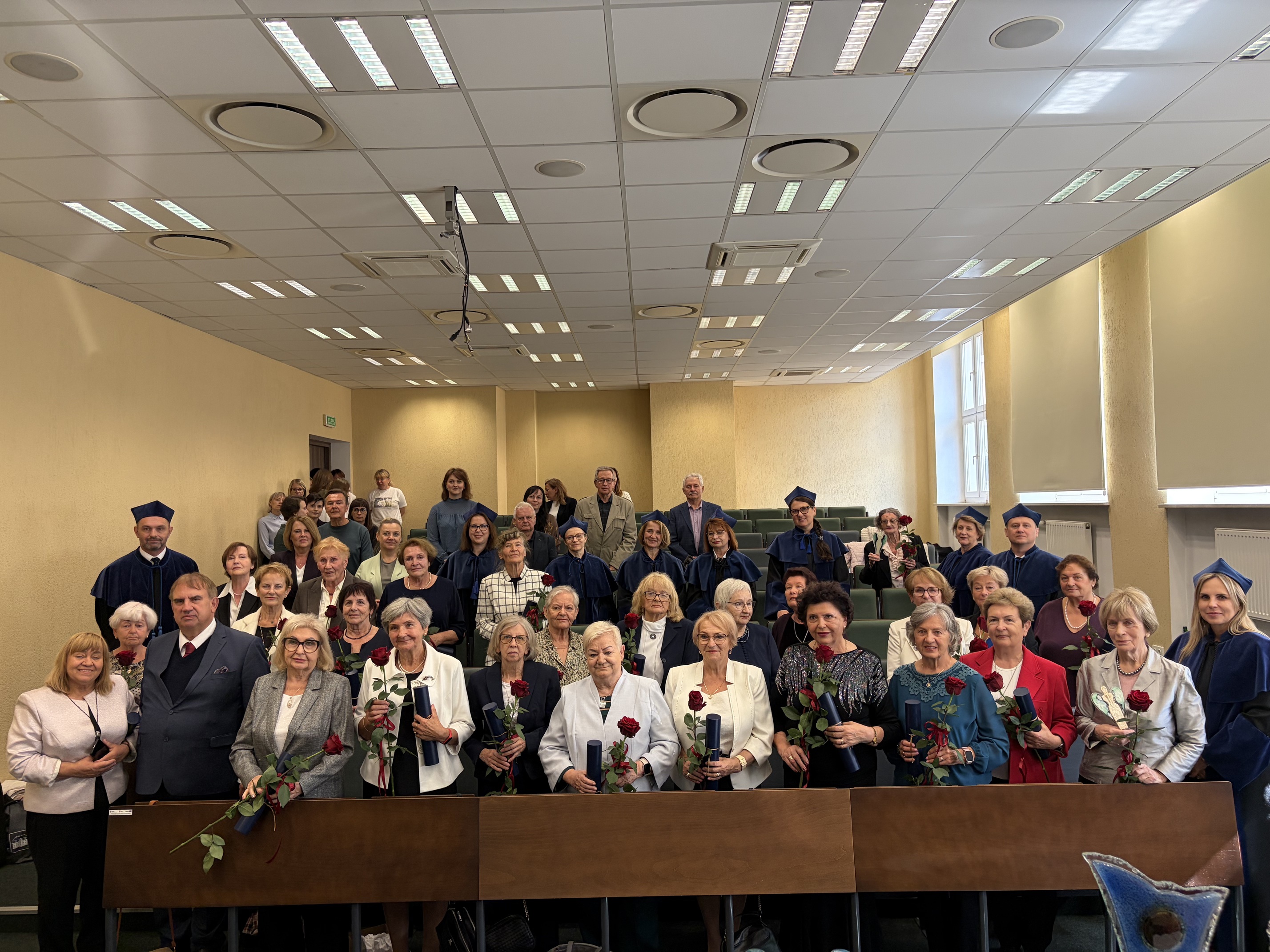
Wizyta studyjna gości ze szwedzkiego Instytutu Medycyny Katastrof Uniwersytetu w Göteborgu rozpoczęła się we wtorek w Auli Collegium Novum Uniwersytetu Medycznego w Lublinie, gdzie zgromadzonych powitał Rektor naszej Alma Mater, prof. dr hab. n. med. Wojciech Załuska.
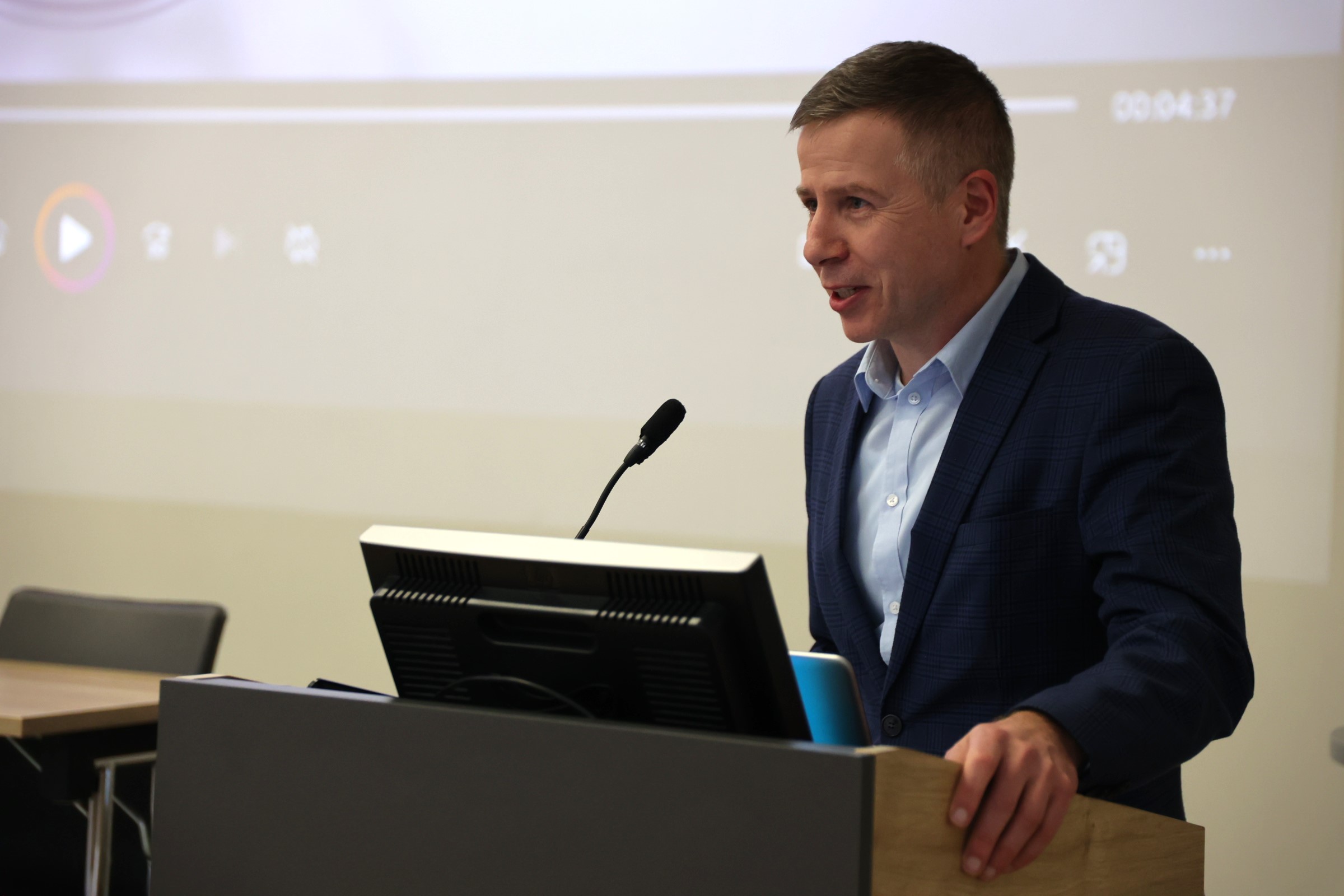
– Cieszy mnie wizyta szwedzkich specjalistów na naszym Uniwersytecie. Taka wymiana doświadczeń pozwala zwiększyć profesjonalność działań w zakresie medycyny katastrof. Bardzo się cieszymy, że możemy Wam pokazać, jak to działa u nas – podkreślił podczas spotkania Rektor UMLUB.
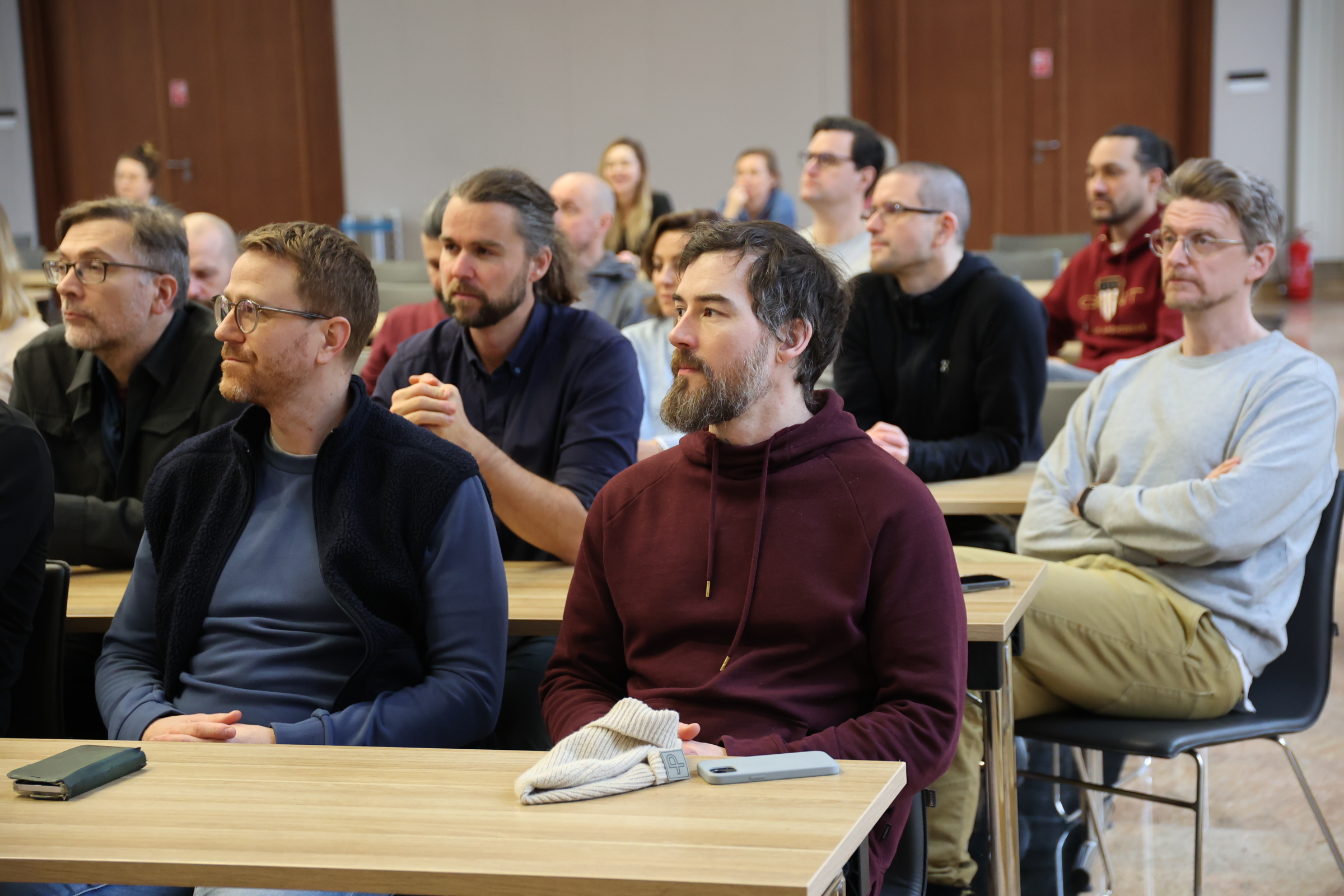
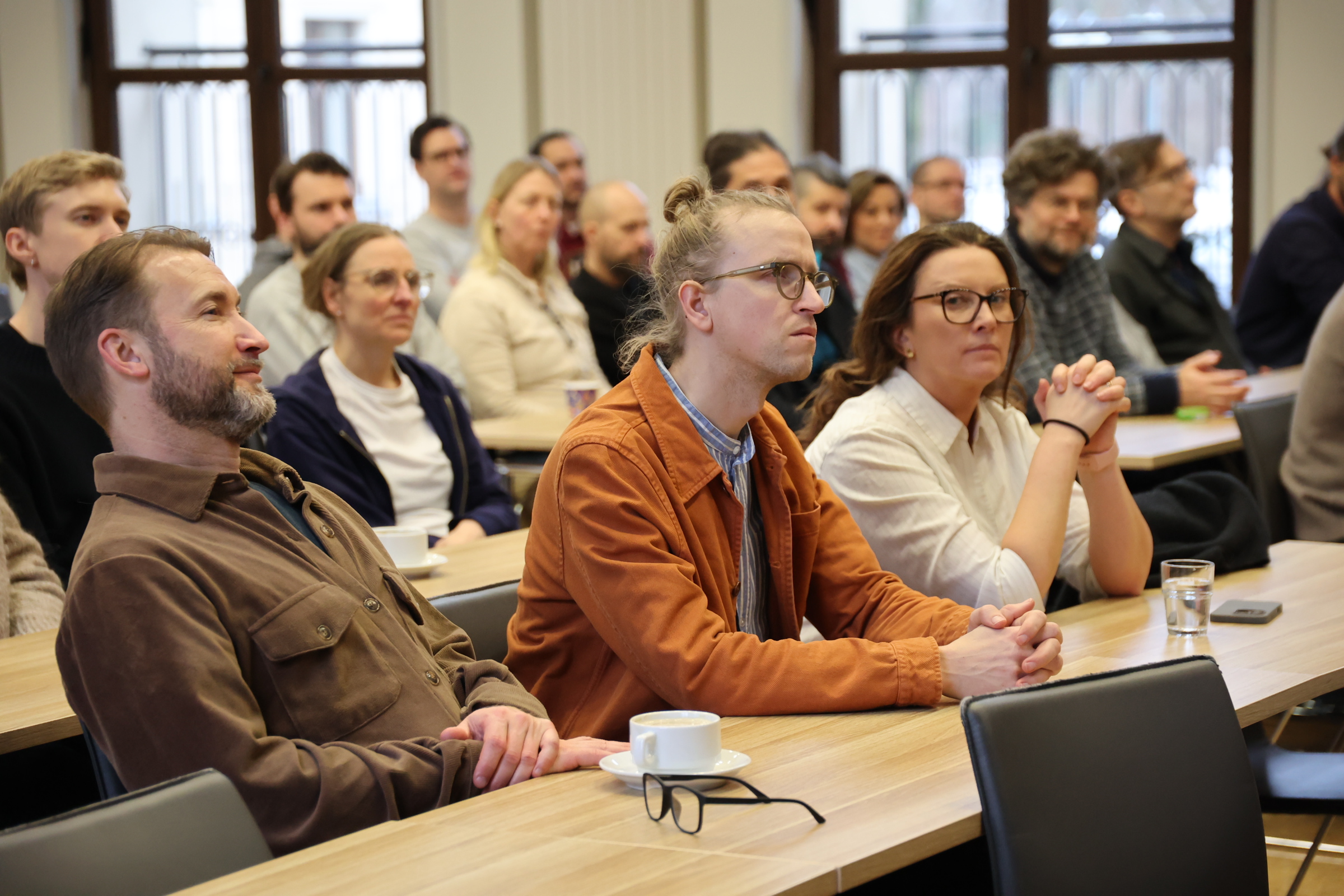
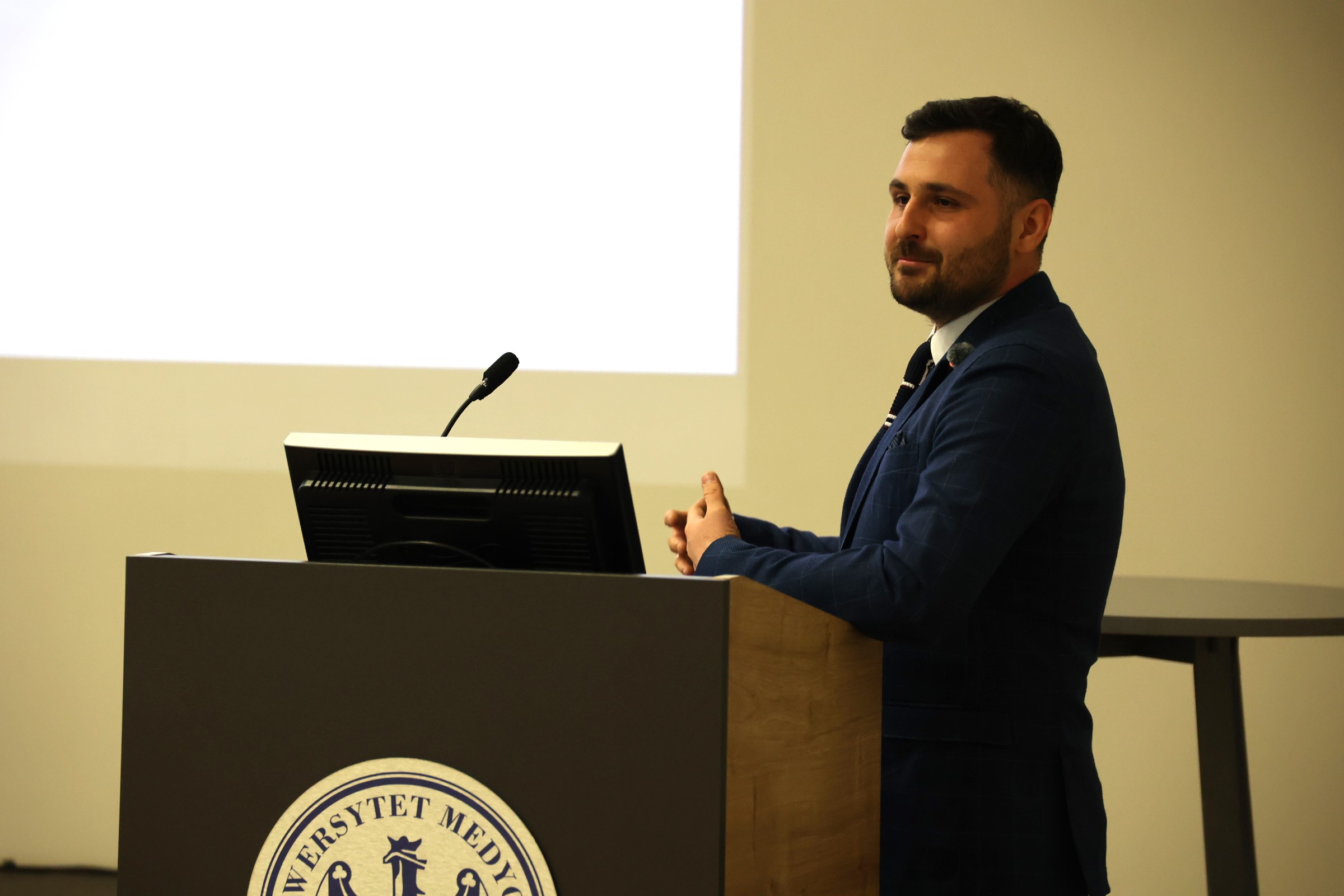
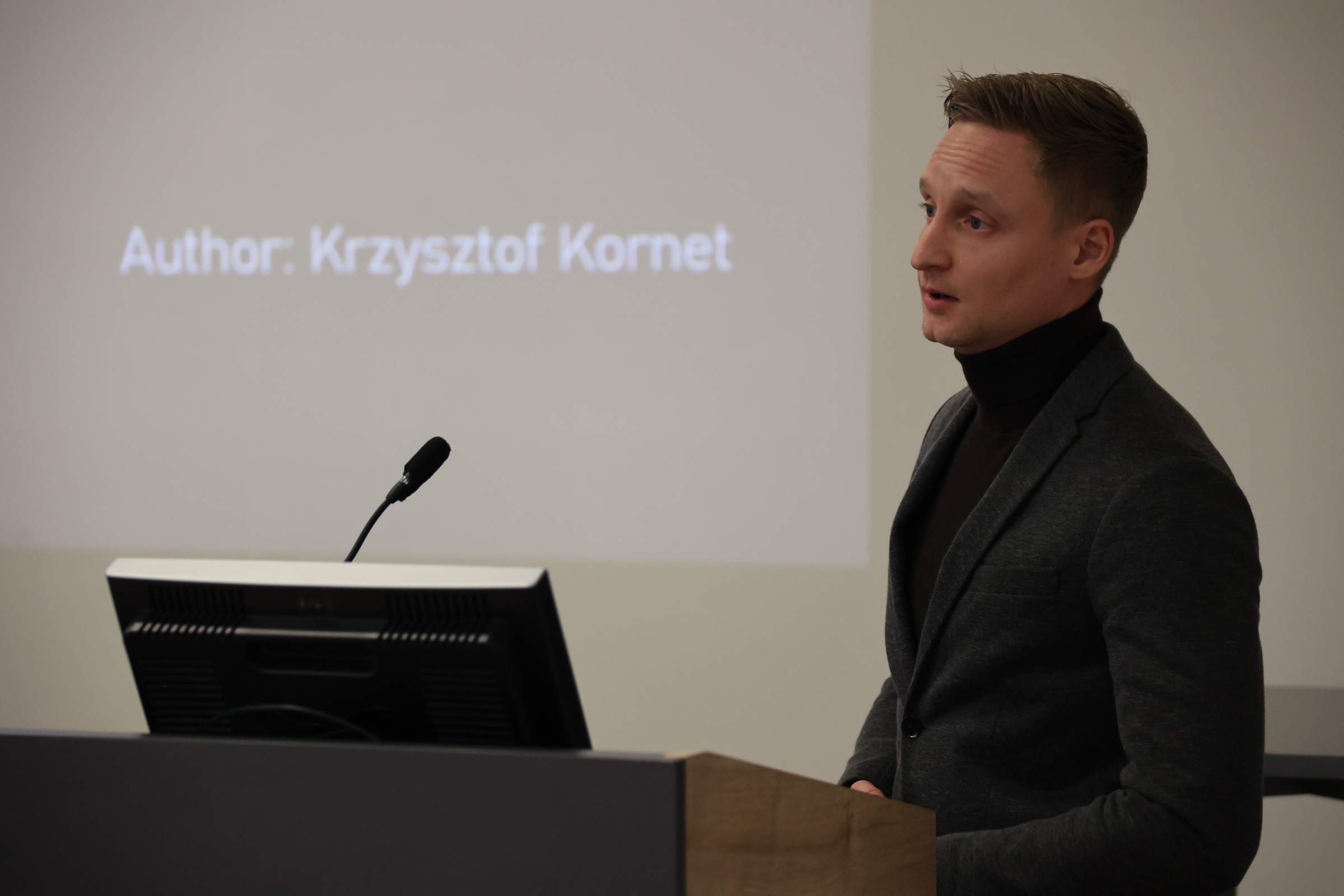
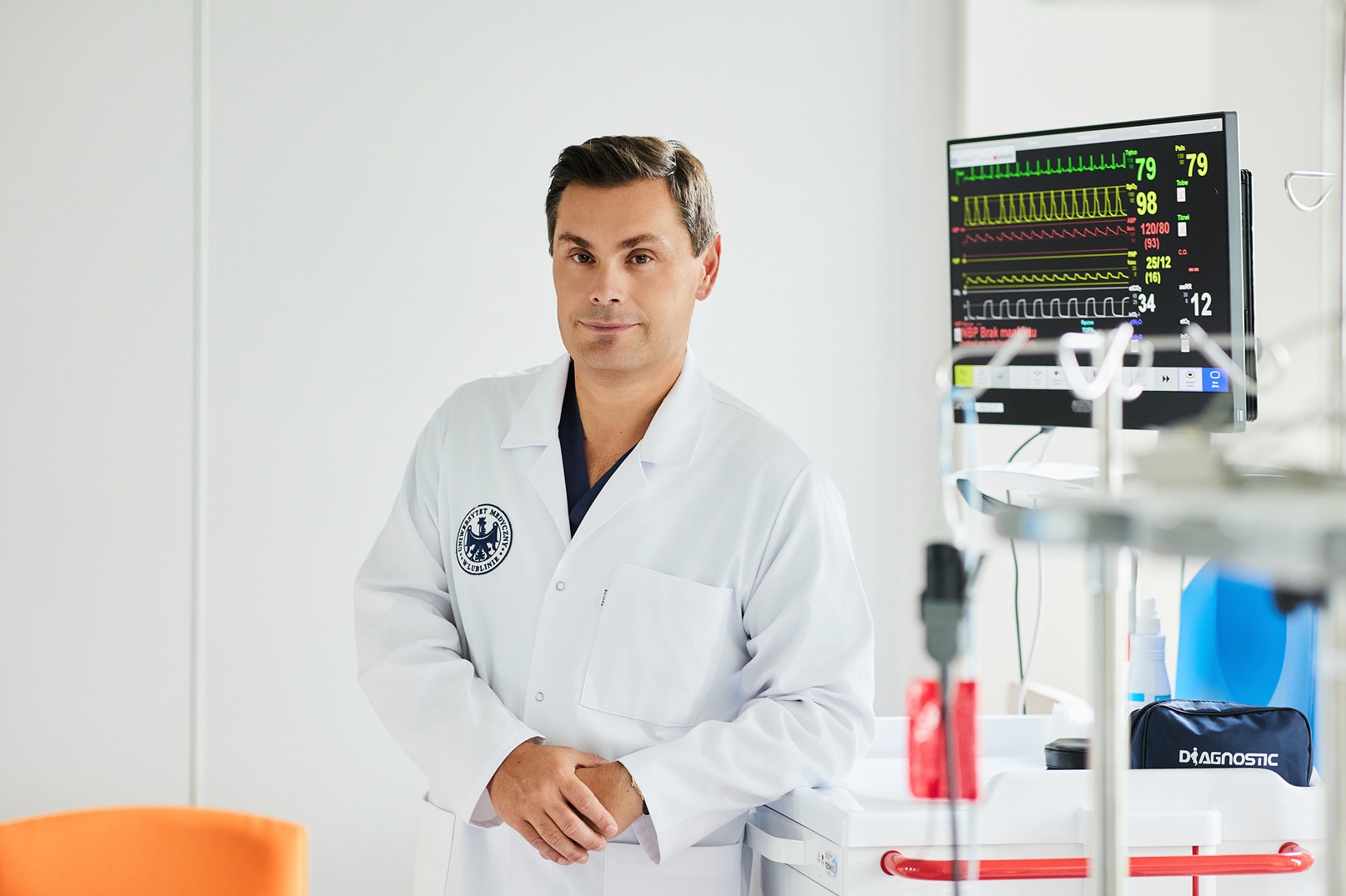
Następnie szwedzcy specjaliści zapoznali się ze strukturą naszego Uniwersytetu oraz wysłuchali dwóch prelekcji: dr Wiktor Wójtowicz, zastępca lekarza kierującego Klinicznym Oddziałem Ratunkowym Uniwersyteckiego Szpitala Klinicznego Nr 4 podzielił się doświadczeniami związanymi z leczeniem pacjentów z Ukrainy na oddziale traumatologii, a ratownik medyczny Krzysztof Kornet, były medyk sił specjalnych, mówił m.in. o wyzwaniach związanych z sytuacją zbrojnego konfliktu przygranicznego i aktywnościach dotyczących zapewnienia pomocy humanitarnej w trakcie jego trwania.
Podczas dwudniowej wizyty studyjnej w Lublinie goście z Instytutu Medycyny Katastrof Uniwersytetu w Göteborgu odwiedzili również:
- Centrum Symulacji Medycznej, gdzie wraz z zespołem z USK Nr 4 wzięli udział w symulacji zdarzenia masowego,
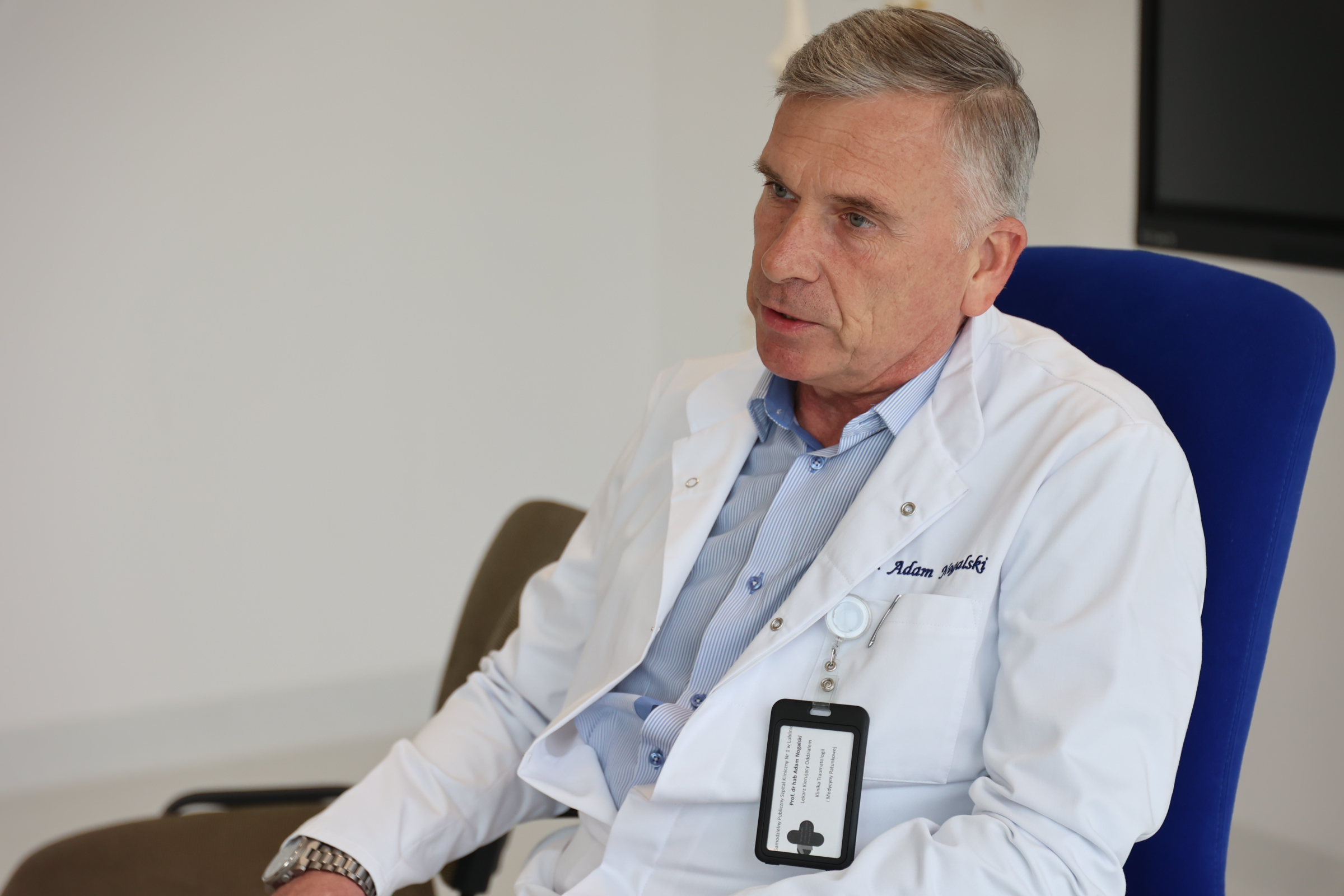
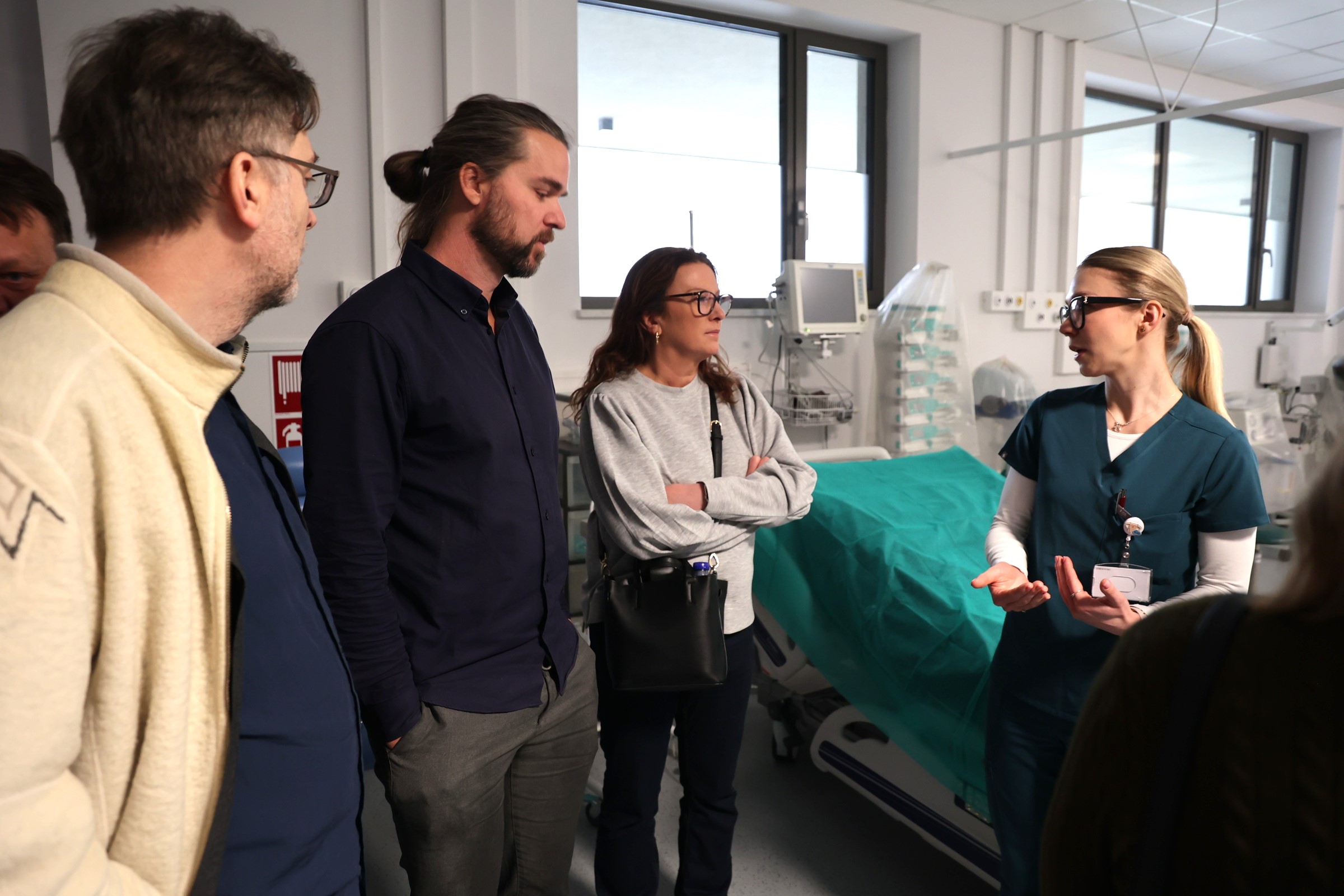
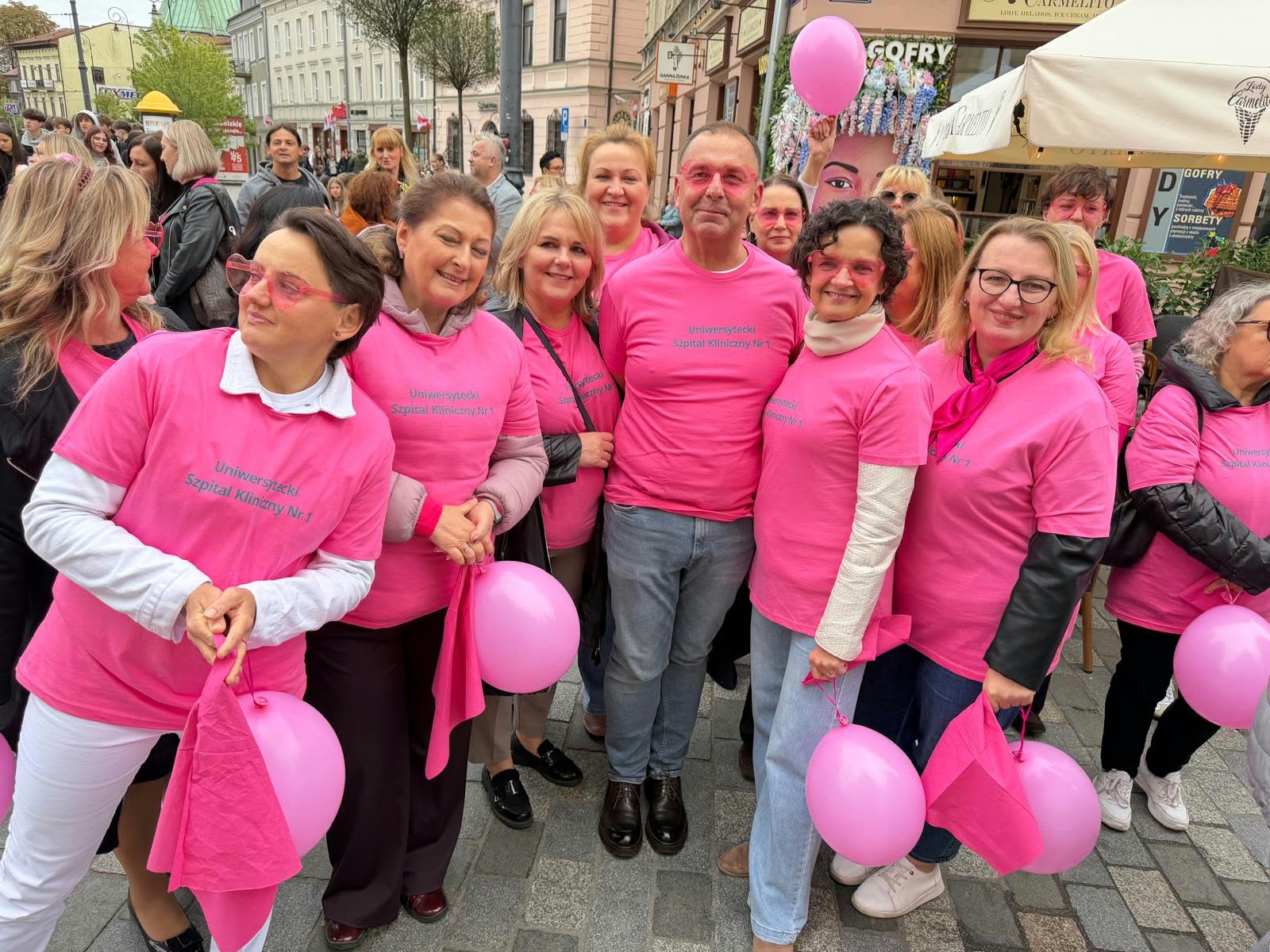
- Uniwersytecki Szpital Kliniczny Nr 1, gdzie prof. dr hab. Adam Nogalski, Kierownik Kliniki Traumatologii i Medycyny Ratunkowej, podzielił się z nimi swoim doświadczeniem
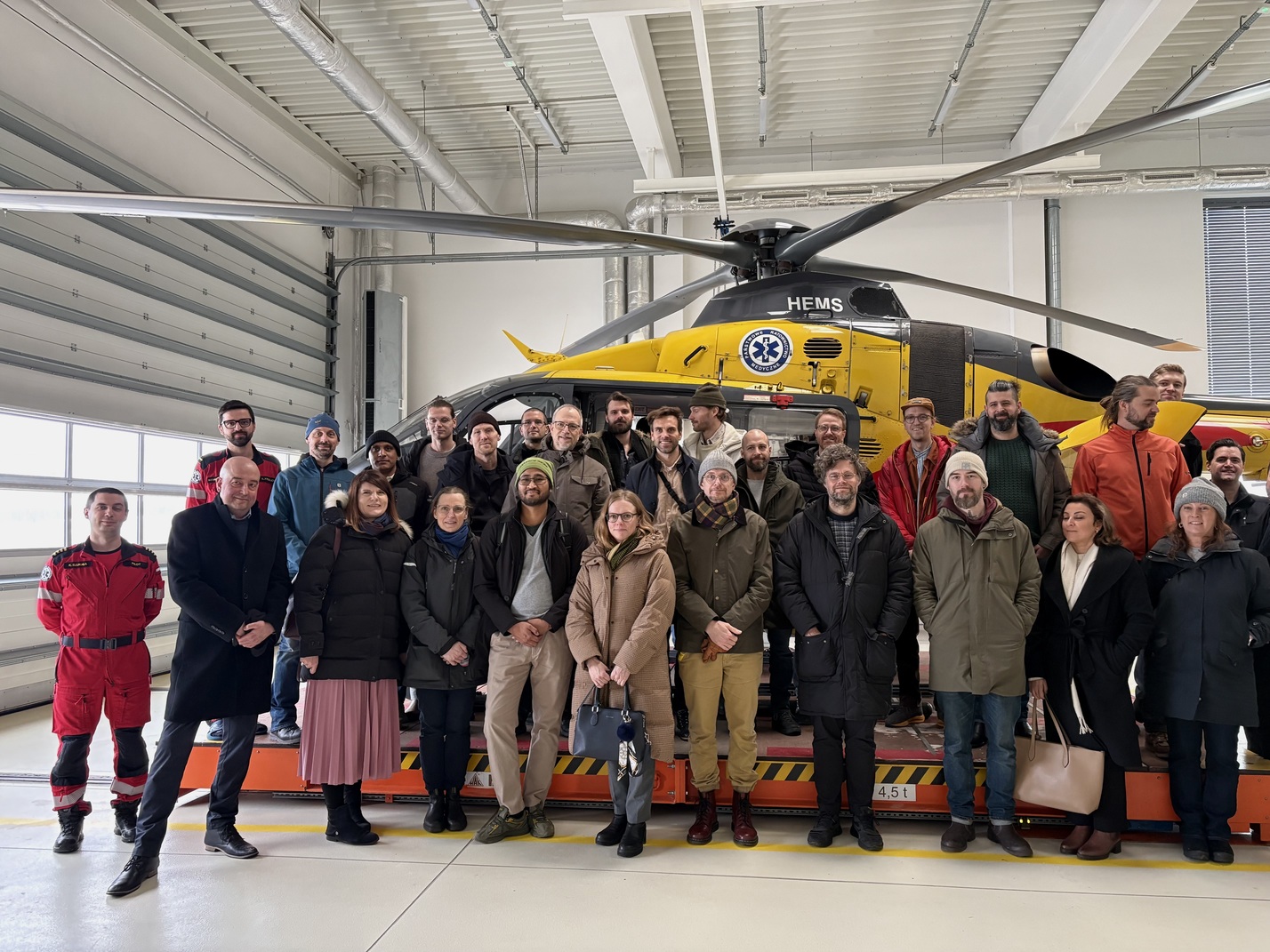
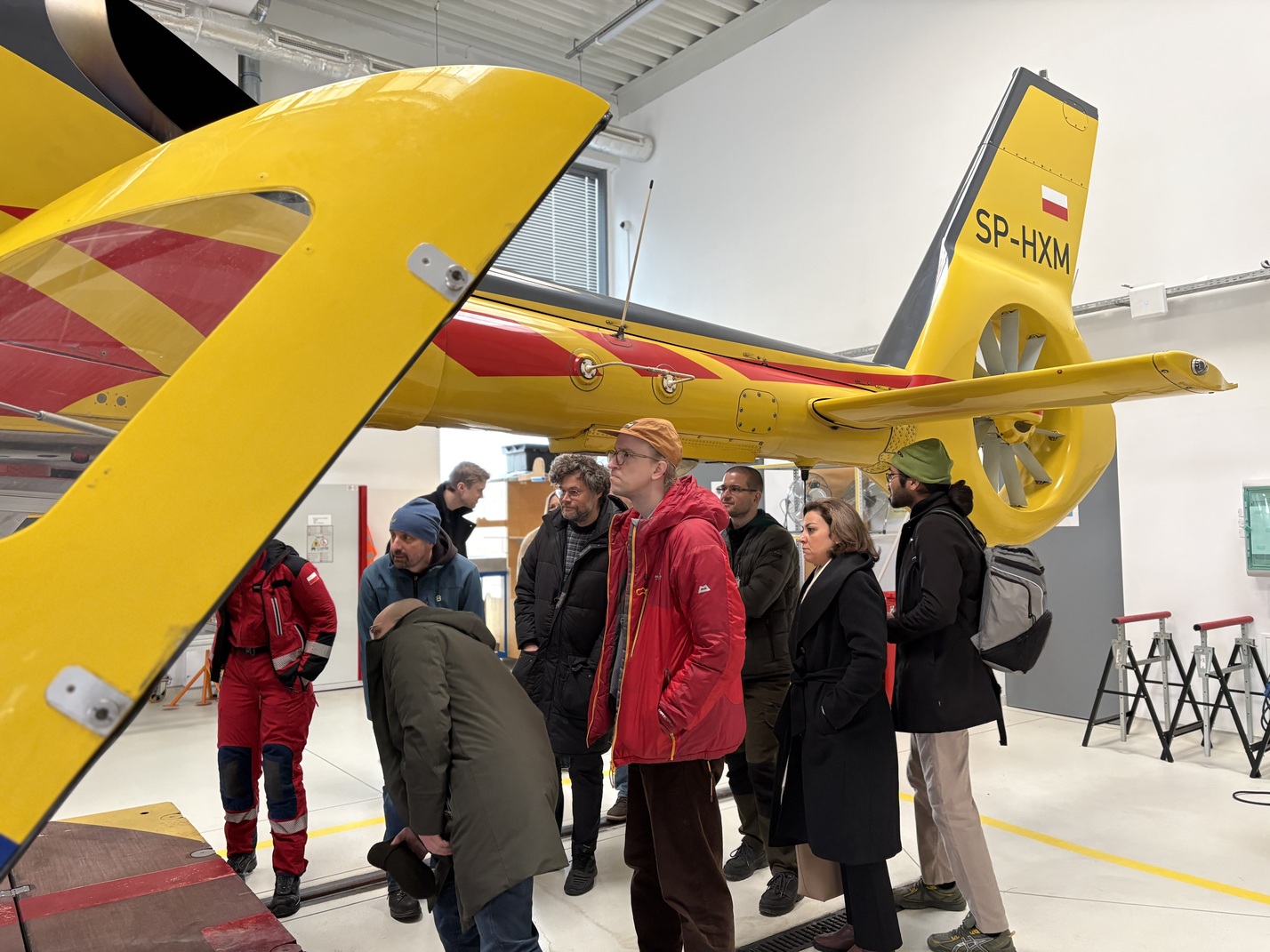
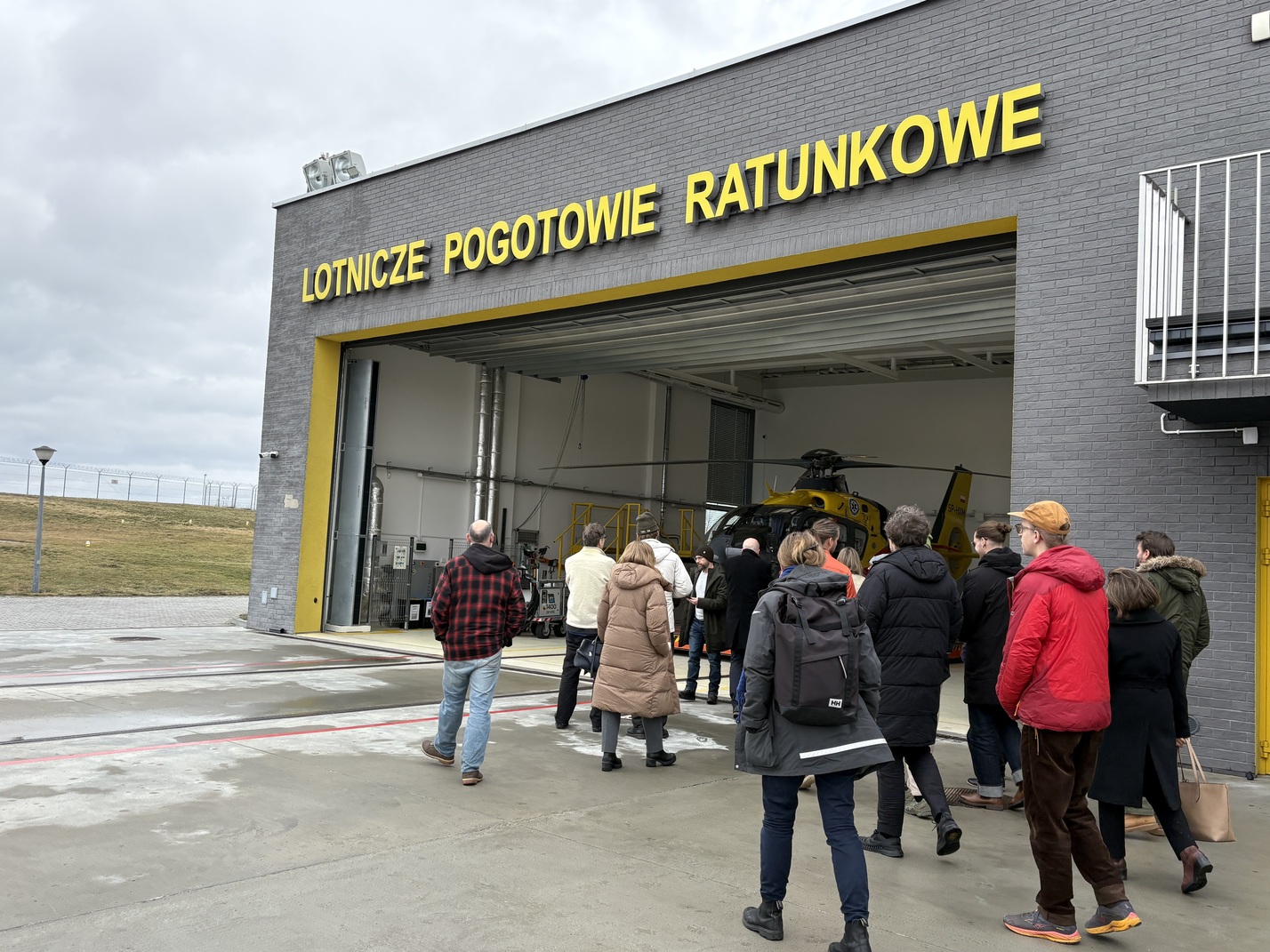
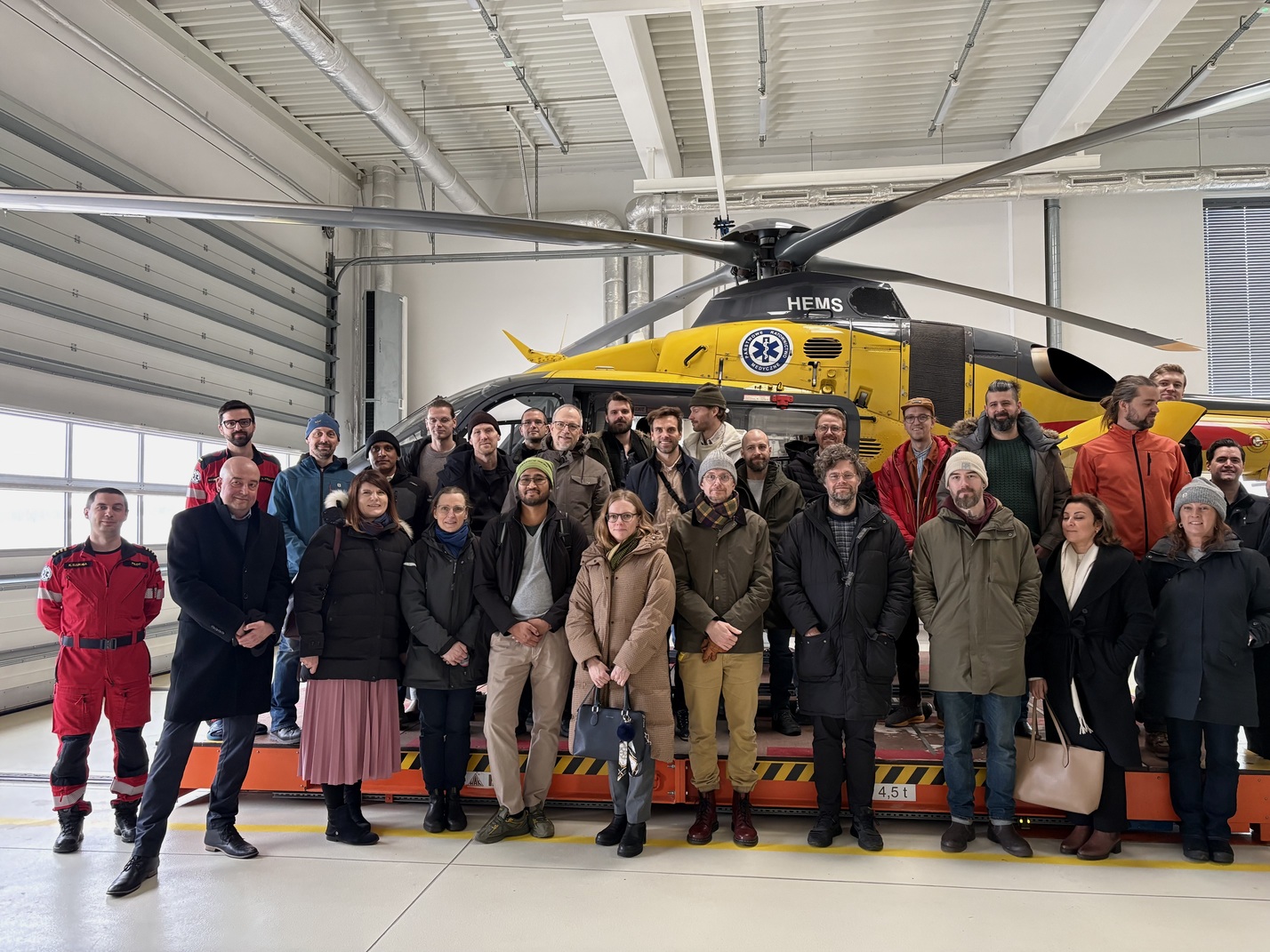
- oraz zwiedzili bazę Lotniczego Pogotowia Ratunkowego w okolicach Świdnika.
– Wizyta studyjna z Instytutu Medycyny Katastrof z Uniwersytetu w Göteborgu jest bardzo ważną częścią rozwoju w aspekcie przygotowania do różnego rodzaju konfliktów i zdarzeń masowych. Szwecja jest krajem, który prezentuje niezwykłą dyscyplinę w tym aspekcie i daje nam możliwość pogłębienia wiedzy odnośnie samej struktury edukacyjnej. Teraz przyjechało do nas 28 lekarzy-specjalistów, którzy chcą wiedzieć więcej na temat przygotowania medycznego w sytuacji konfliktu. Taka potrzeba musi być najpierw wzbudzona i uzasadniona u osób, które mają z tym tematem kontakt, po to, by odnieść sukces w samym kształceniu – podsumowuje dr hab. n. med. i n. o zdr. Katarzyna Naylor, prof. uczelni, z Katedry Ratownictwa Medycznego Uniwersytetu Medycznego w Lublinie, koordynator wizyty studyjnej.
[ENG]
Swedish Disaster Medicine Experts at Medical University of Lublin
On the 24-25th February at the Medical University of Lublin took place a study visit by a group of specialists from the University of Gothenburg. The main focus of the meetings was the exchange of experiences regarding the preparedness of the university’s clinical hospitals in Lublin, education in disaster medicine at the Centre for Medical Simulation MUL in synergy with the Trauma Center of the University Clinical Hospital No. 4 in Lublin, as well as long-term conclusions based on the experience of the Clinical Emergency Department of University Clinical Hospital No. 4 during the years of the ongoing conflict in Ukraine.
The study visit of guests from the Disaster Medicine Institute of the University of Gothenburg began on Tuesday in the Collegium Novum at the Medical University of Lublin, where the attendees were welcomed by the Rector of the University, Prof. Wojciech Załuska.
– I am pleased to welcome Swedish specialists to our University. Such an exchange of experience enhances the professionalism of activities in the field of disaster medicine. We are very glad to show you how it works here – told the Rector of UMLUB during the meeting.
The Swedish specialists were then introduced to the structure of the University and attended two lectures. Dr. Wiktor Wójtowicz, Deputy Chief of the Clinical Emergency Department at Clinical Hospital No. 4, shared his experience in treating patients from Ukraine in the traumatology ward. EMS Paramedic Krzysztof Kornet, a Former Special Forces Medic, spoke, among other things, about the operational challenges in near-border crisis conditio and provision of basic humanitarian aid during active conflict.
Specialists from the Disaster Medicine Institute of the University of Gothenburg also visited:
- the Centre for Medical Simulation in Lublin, where together with the teams from Clinical Hospital No. 4 they took part in a mass casualty simulation,
- University Clinical Hospital No. 1 in Lublin, where took place a meeting with Prof. Adam Nogalski, Head of the Department of Traumatology and Emergency Medicine,
- and the Polish Medical Air Rescue Base near Świdnik.
– The study visit from the Disaster Medicine Institute of the University of Gothenburg is a very important part of development in terms of preparation for various types of conflicts and mass casualty incidents. Sweden is a country that demonstrates remarkable discipline in this respect and gives us the opportunity to deepen our knowledge regarding the educational structure itself. This time, 28 specialist physicians have come to us, eager to learn more about medical preparedness in situations of conflict. Such a need must first be raised and justified among those who are directly involved in this field in order to achieve success in education – concludes dr hab. Katarzyna Naylor, Professor of the Medical University in Lublin, Head of the Department of Emergency, coordinator of the study visit.