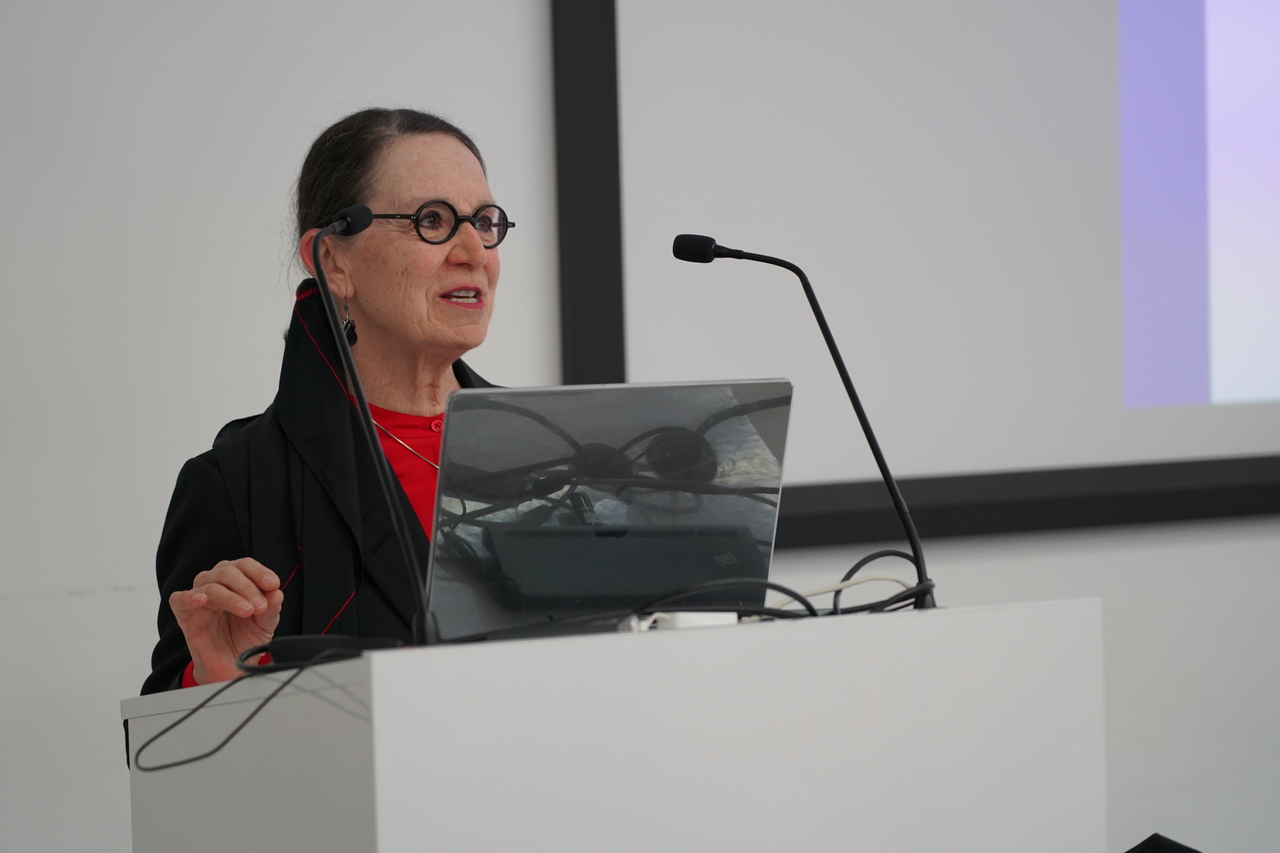
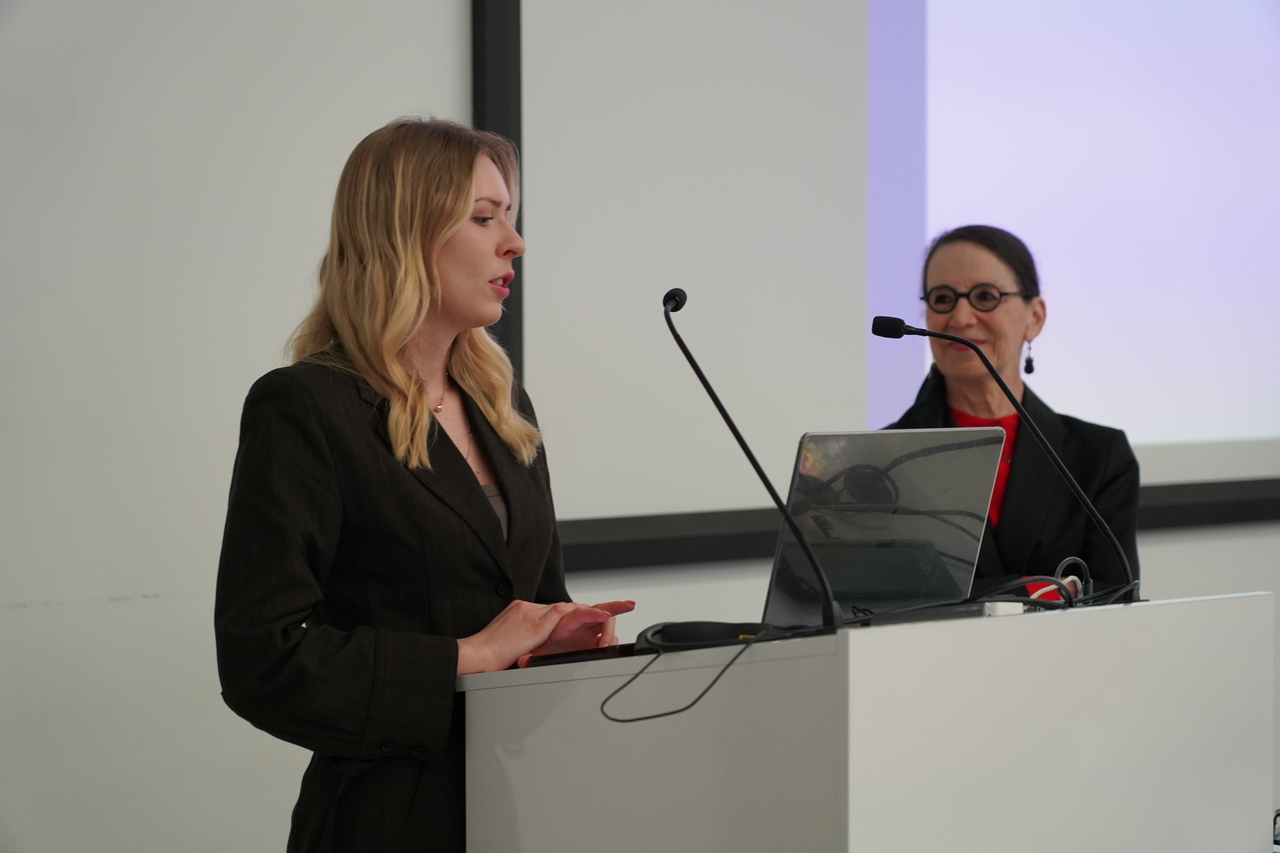
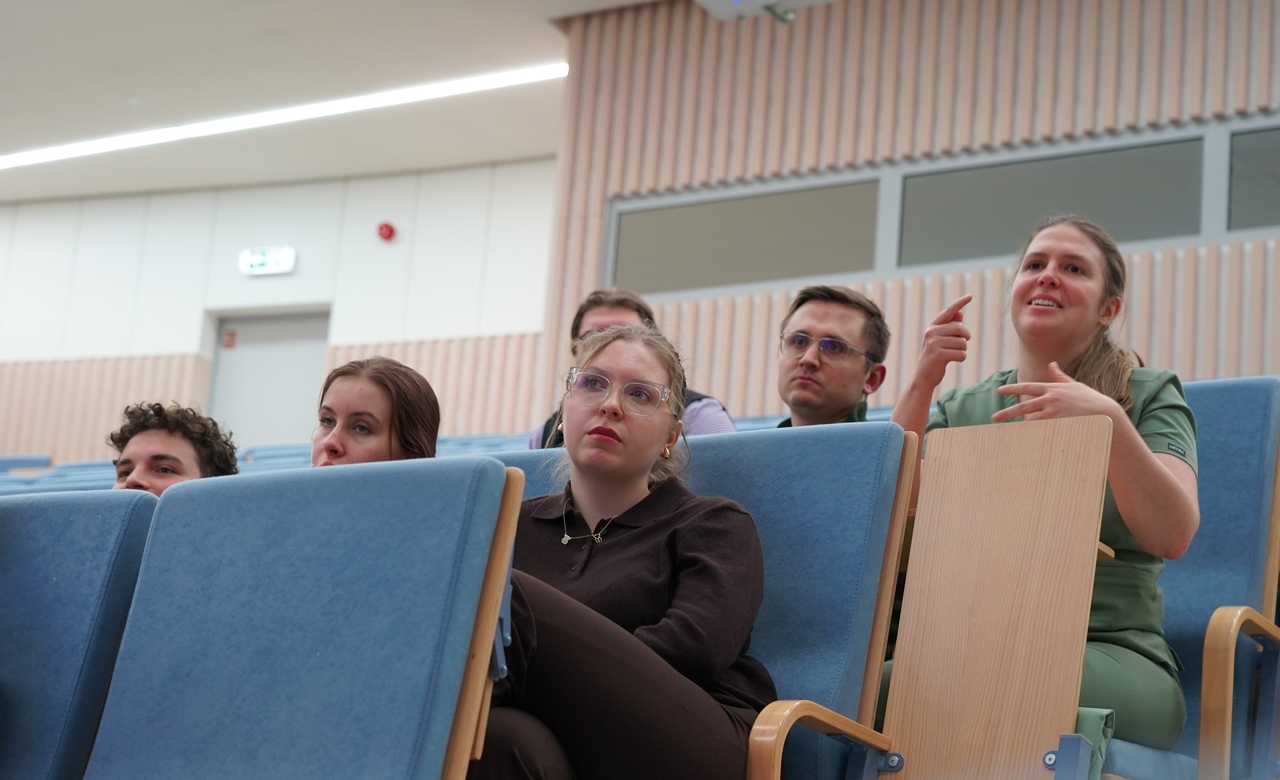
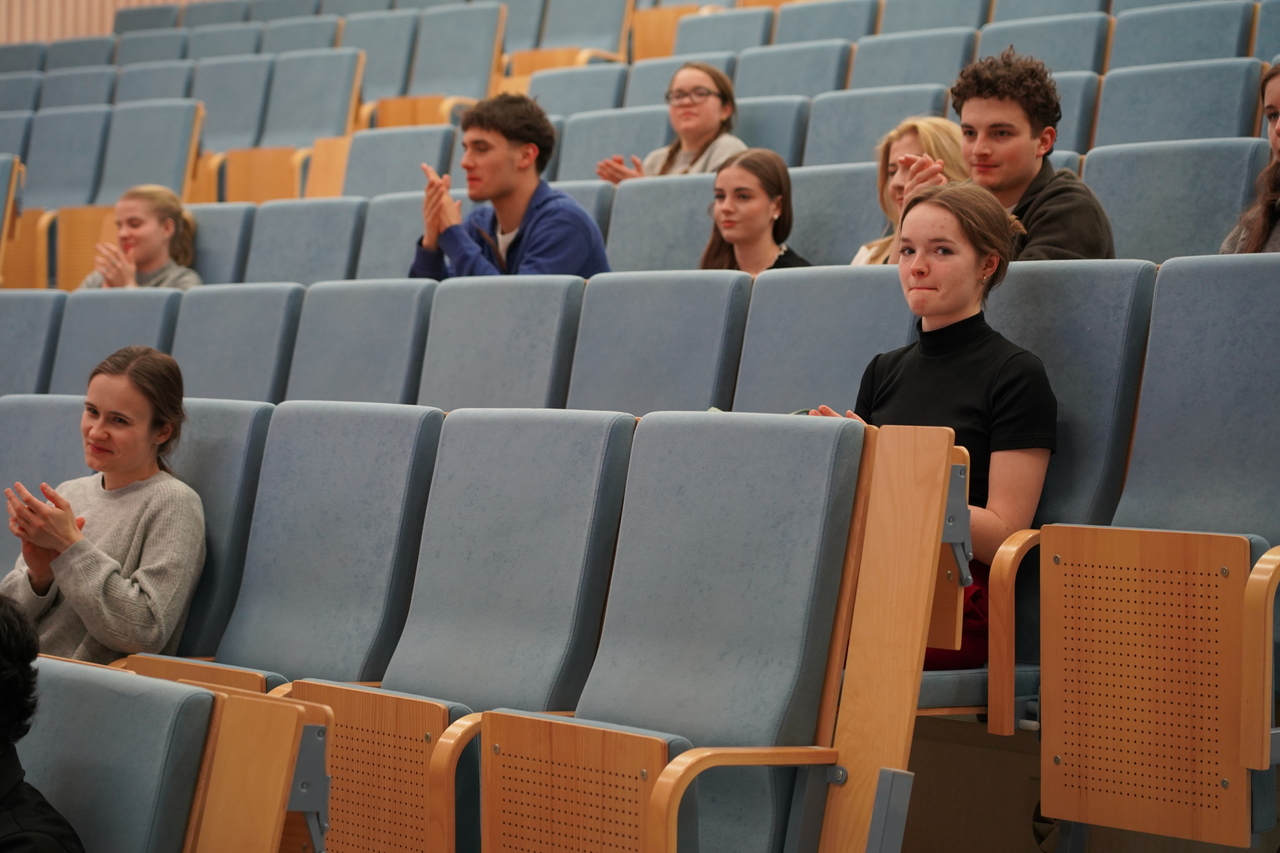
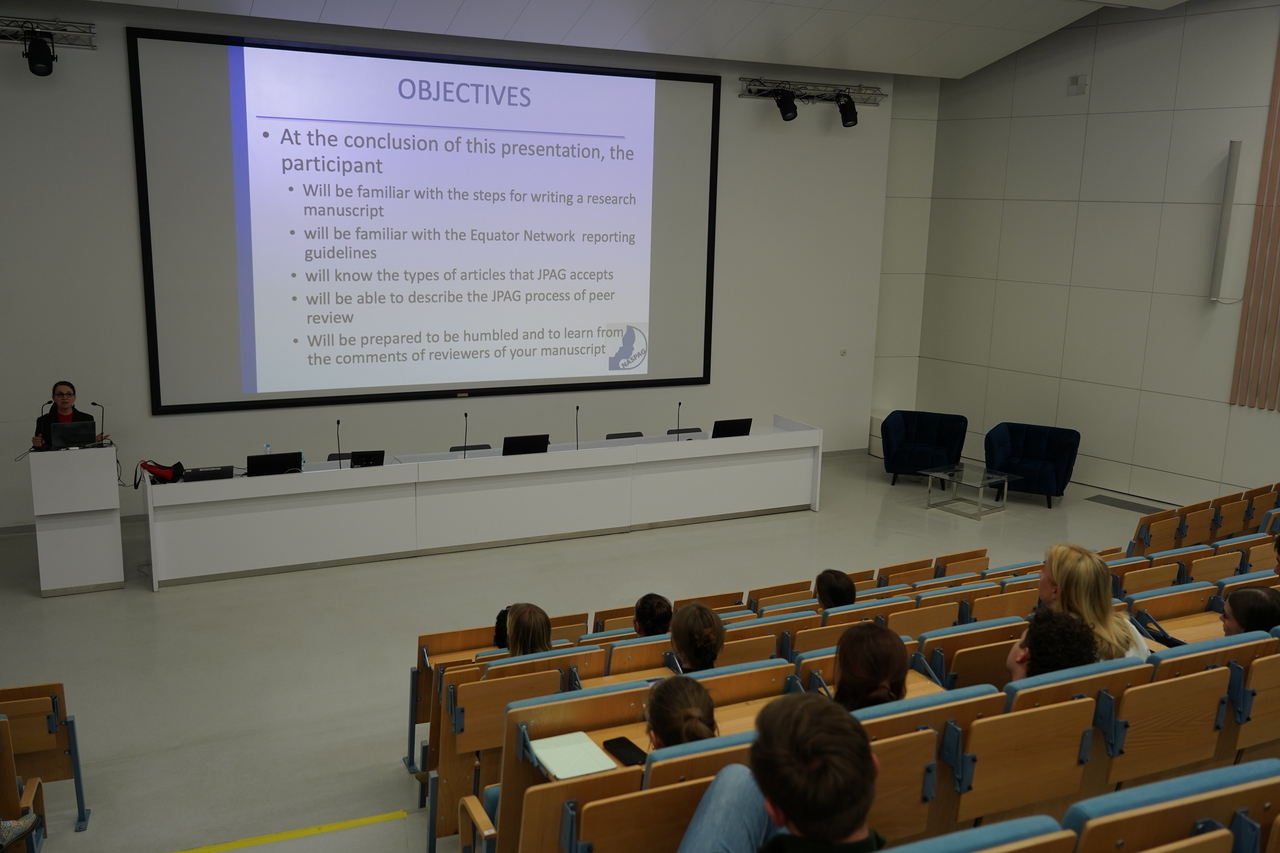
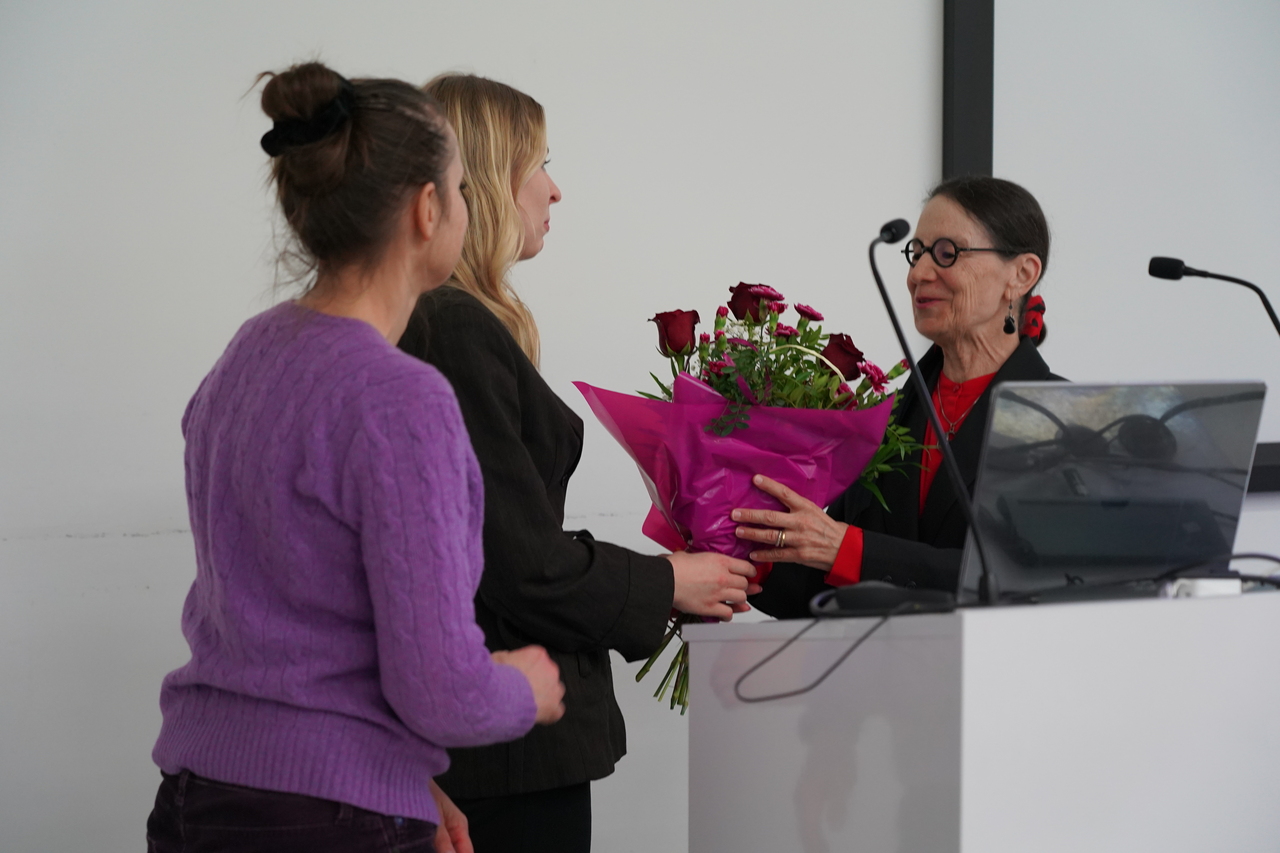
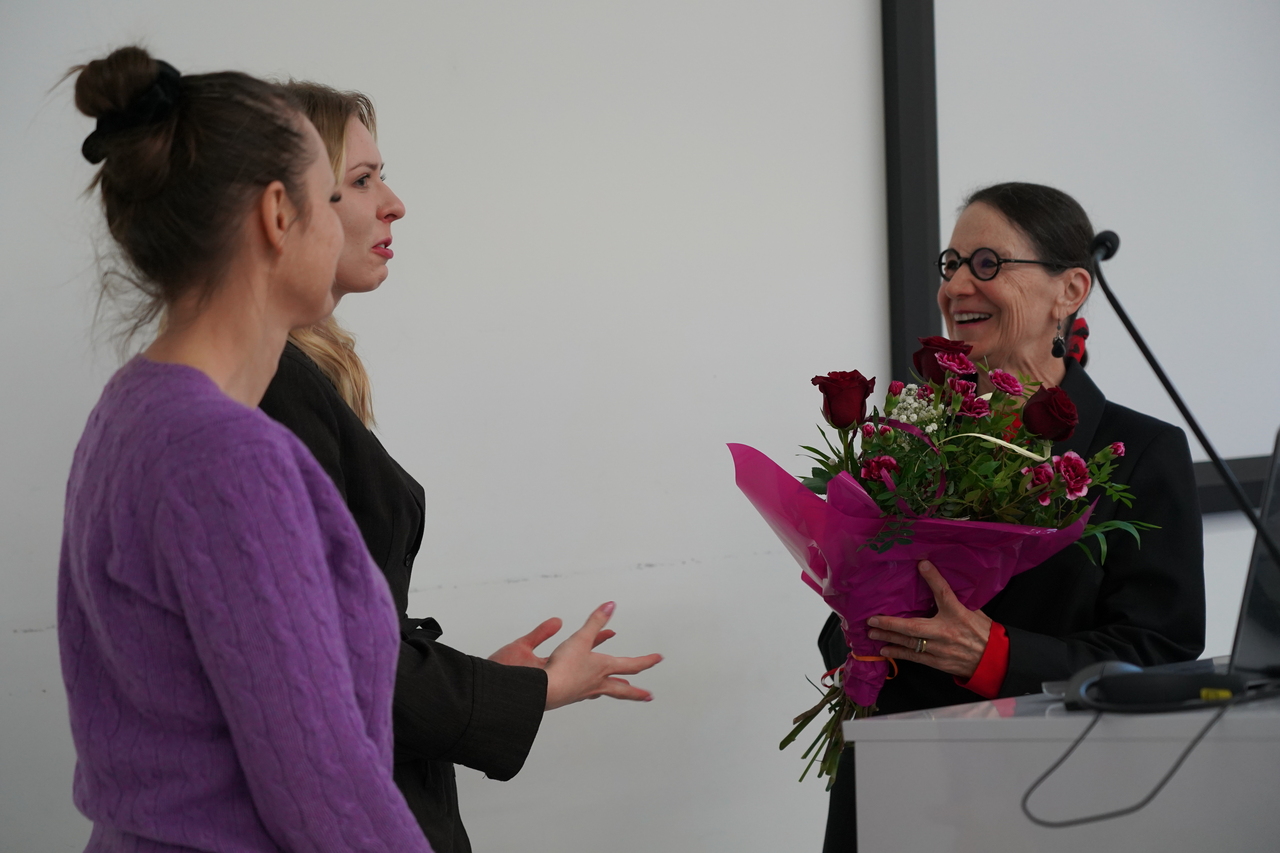
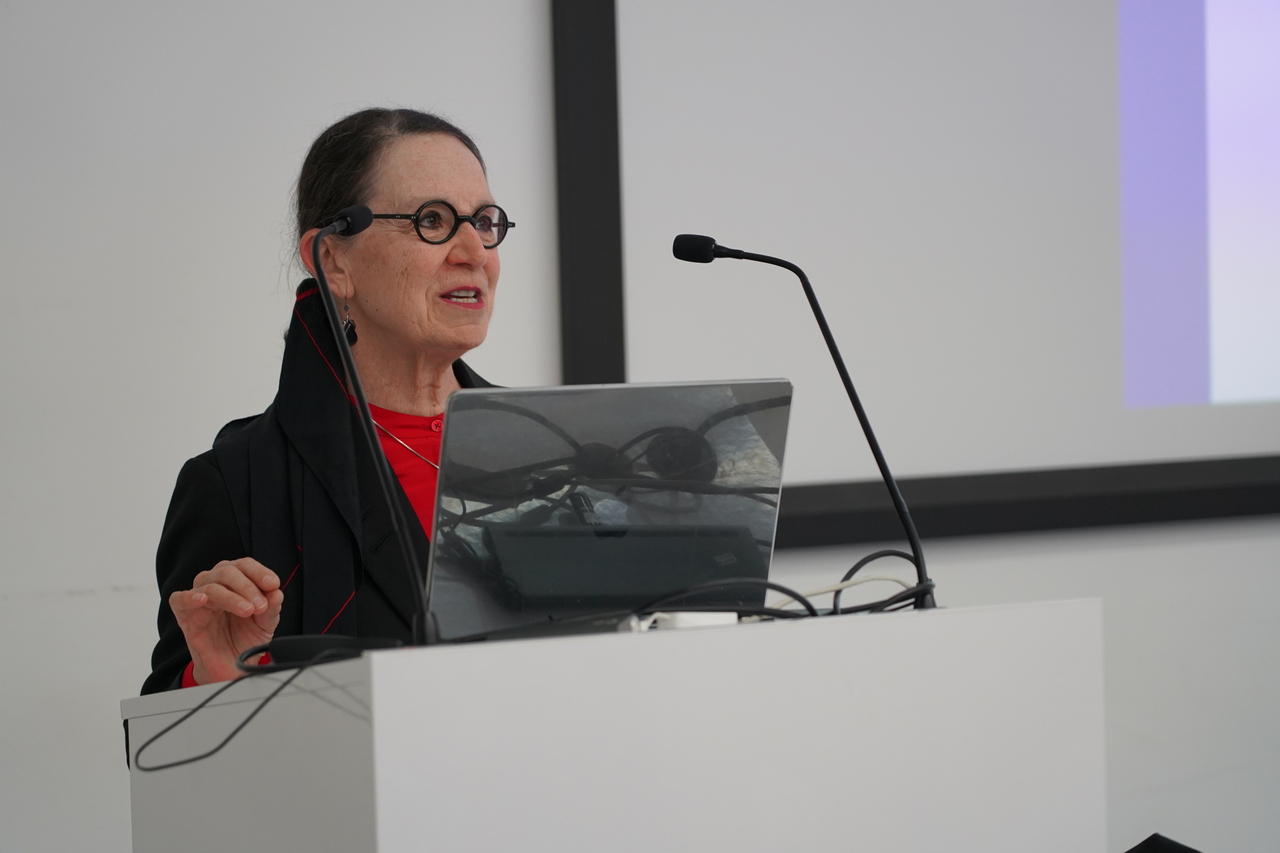
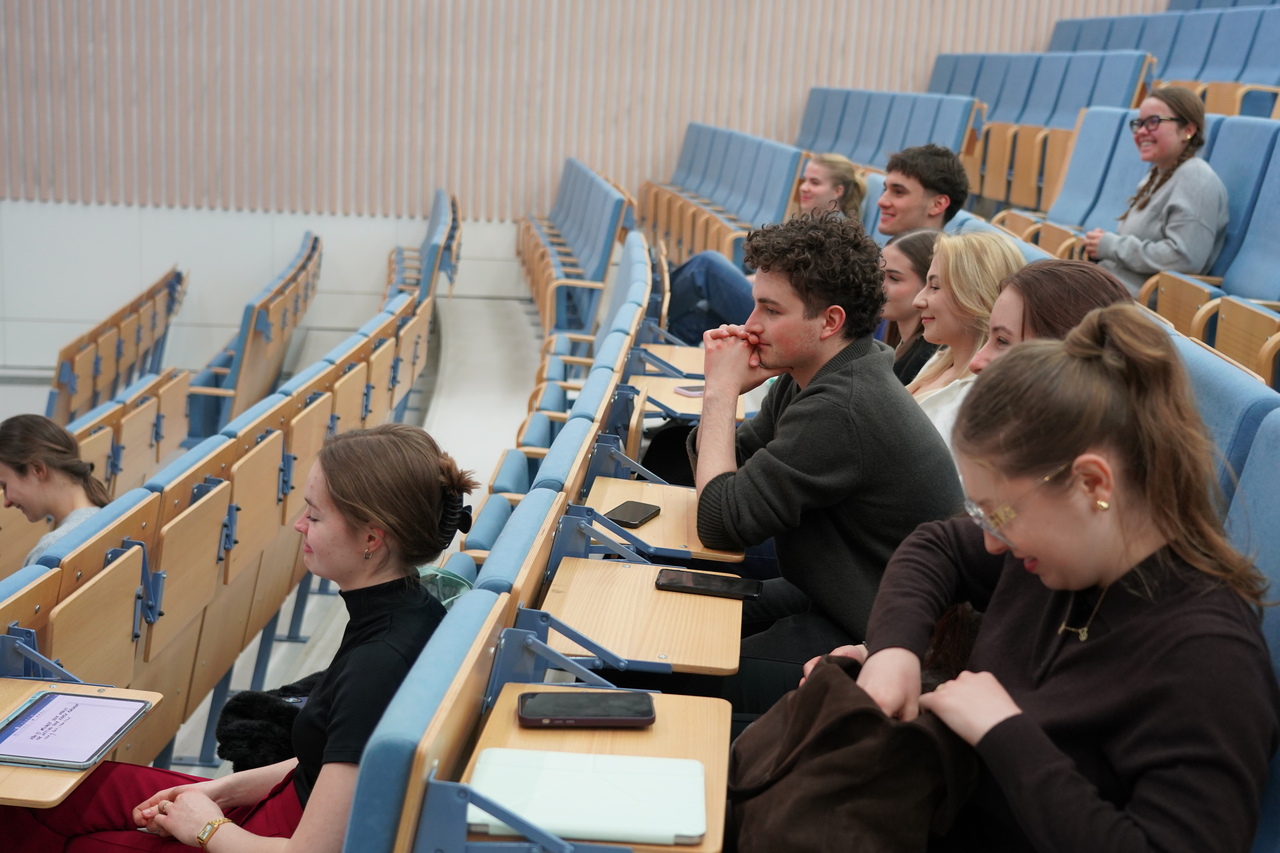
Podczas konferencji, która odbyła się w środę, studenci mogli dowiedzieć się więcej na temat wymagań, jakie należy spełnić, aby zwiększyć swoje szanse na publikację. Profesor omówiła również etapy oceny pracy przed jej opublikowaniem, a także najczęstsze przyczyny odrzucania artykułów. W trakcie wystąpienia zwróciła uwagę na problem wykorzystywania sztucznej inteligencji w tekstach przesyłanych do recenzji oraz zachęcała zgromadzonych, by nie poddawali się, jeśli ich artykuł nie zostanie przyjęty do publikacji.
W trakcie spotkania profesor podkreśliła także, że ogromne wrażenie zrobiło na niej Centrum Symulacji Medycznej.
– Powinniście być dumni, że studiujecie na takim Uniwersytecie i możecie uczyć się w budynku takim jak to wspaniałe Centrum Symulacji, które przyćmiewa nawet to na Stanfordzie – zwróciła się do studentów profesor.
Dodając, że byłaby zainteresowana publikacjami studentów prowadzących badania w tak nowoczesnym miejscu, jednocześnie zachęcając ich do pozbycia się obaw przed wysyłaniem swoich prac do medycznych czasopism.
Spotkanie zostało zorganizowane przez Studenckie Koło Naukowe przy Oddziale Ginekologii Dziecięcej i Dziewczęcej Uniwersyteckiego Szpitala Dziecięcego.
---
The Path to Publishing in Top Journals – UMLUB Students Meet an Expert from Stanford University School of Medicine
How can you maximise your chances of publishing in the top medical journals? This was the question addressed by students of the Medical University of Lublin (UMLUB) to Professor Paula J. Adams Hillard from Stanford University School of Medicine, Editor-in-Chief of the Journal of Paediatric and Adolescent Gynaecology, during an inspiring meeting in the Auditorium of the Medical Simulation Centre.
During the conference, held on Wednesday, students had the opportunity to learn more about the requirements necessary to increase their chances of publication. The professor also discussed the stages of manuscript evaluation prior to publication, as well as the most common reasons for article rejection. During her presentation, she highlighted concerns regarding the use of artificial intelligence in manuscripts submitted for review and encouraged attendees not to give up if their article is not accepted for publication.
Professor Hillard also emphasised her strong impression of the Medical Simulation Centre.
“You should be proud to study at a university like this and to have the opportunity to learn in a building such as this magnificent Simulation Centre, which even outshines the one at Stanford,” she told the students.
She added that she would be interested in students’ publications stemming from research conducted in such a modern facility, simultaneously encouraging them to overcome any hesitation in submitting their work to medical journals.
The event was organised by the Student Scientific Society at the Department of Paediatric and Adolescent Gynaecology of the University Children’s Hospital.